
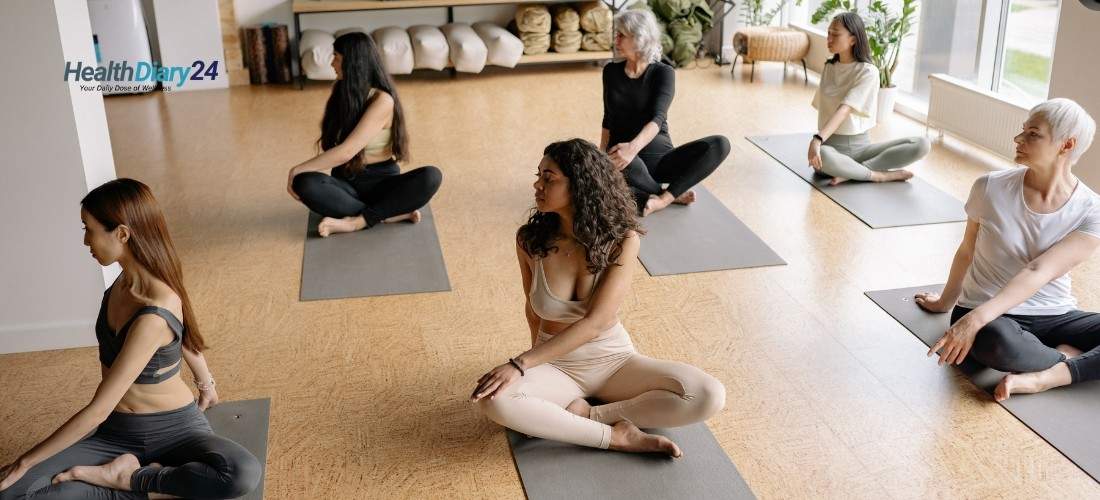
Starting your yoga journey can feel overwhelming, but mastering a few essential Beginner Yoga Poses makes the process smooth, enjoyable, and effective. In this guide, you’ll learn what beginner poses are, how to practice them, and how they build a strong foundation. From day one, incorporating Beginner Yoga Poses helps improve flexibility, balance, breath awareness, and strength.
Understanding Beginner Yoga Poses
What Makes a Pose a Beginner Yoga Pose?
Beginner poses are simple, low-impact movements designed to improve alignment, mobility, and body awareness. They don’t require advanced flexibility or strength, making them accessible for everyone.
Why Beginner Yoga Poses Are the Best Starting Point
Practicing Beginner Yoga Poses ensures you learn the basics before moving into more challenging sequences. These poses also help prevent injury and build confidence as you progress.
Benefits of Practicing Beginner Yoga Poses
Improves Flexibility Gradually
Beginner poses encourage gentle stretching, helping the muscles loosen safely over time.
Strengthens the Entire Body
Basic yoga poses activate your core, legs, arms, and back without overwhelming your body.
Enhances Balance and Stability
Balance-focused poses improve coordination and build strong, stable joints.
Reduces Stress and Calms the Mind
Breath-based movements help reduce anxiety and promote mental clarity.
Essential Beginner Yoga Poses
Mountain Pose (Tadasana)
A foundational standing pose that improves posture and balance.
How to Practice Mountain Pose
- Stand tall with feet hip-width apart
- Engage your core
- Roll shoulders slightly back
- Keep your spine long
- Breathe deeply
Child’s Pose (Balasana)
A resting pose perfect for relaxation and gentle stretching.
How to Practice Child’s Pose
- Kneel and sit back on heels
- Fold forward with arms extended
- Rest forehead on the mat
- Breathe into the lower back
Cat-Cow Pose (Marjaryasana–Bitilasana)
A smooth flow that warms the spine and improves mobility.
How to Practice Cat-Cow
- Begin on hands and knees
- Arch the spine upward (Cat)
- Drop the belly and lift the chest (Cow)
- Move slowly with your breath
Downward Facing Dog (Adho Mukha Svanasana)
A gentle inversion that stretches the entire body.
How to Practice Downward Dog
- Start on hands and knees
- Lift hips upward
- Straighten arms and legs gently
- Reach heels toward the floor
Warrior I (Virabhadrasana I)
Great for building strength, confidence, and grounding energy.
How to Practice Warrior I
- Step one foot back
- Bend the front knee
- Reach arms overhead
- Square hips forward
Warrior II (Virabhadrasana II)
Builds stamina, leg strength, and focus.
How to Practice Warrior II
- Extend arms at shoulder height
- Bend the front knee
- Gaze over your front hand
- Keep your torso open
Tree Pose (Vrikshasana)
A balancing pose that improves stability and concentration.
How to Practice Tree Pose
- Stand tall
- Place one foot on the opposite ankle or thigh
- Bring hands to prayer position
- Hold steady while breathing
How to Start a Routine with Beginner Yoga Poses
Create a Simple Sequence
Use 5–8 Beginner Yoga Poses in a routine such as:
Warm-Up
- Cat-Cow
- Child’s Pose
Main Flow
- Mountain Pose
- Warrior I
- Warrior II
- Downward Dog
Cool Down
- Seated Forward Fold
- Easy Twist
Practice with Proper Breathing
Breathing deeply helps improve focus, reduces stress, and enhances alignment.
Start Slowly and Progress
Don’t rush. The goal of Beginner Yoga Poses is to help your body learn gradually.
Common Mistakes to Avoid When Practicing Beginner Yoga Poses
Pushing Too Hard
Flexibility develops slowly. Forcing a deep stretch may cause injury.
Holding Your Breath
Breath is a major part of yoga practice. Maintain natural, steady inhales and exhales.
Incorrect Alignment
Poor alignment can cause joint strain. Always check posture and adjust slowly.
Tips to Improve Your Practice of Beginner Yoga Poses
Use Props for Support
Yoga blocks, straps, or cushions help beginners maintain proper form.
Warm Up Before Deep Stretches
Light movement prepares the muscles for deeper poses.
Practice Consistently
Even 10–15 minutes daily improves flexibility and strength over time.
Sample 10-Minute Routine Using Beginner Yoga Poses
Minute 1–2: Warm-Up
- Cat-Cow
- Easy Seated Breathing
Minute 3–6: Standing Flow
- Mountain Pose
- Warrior I
- Warrior II
Minute 7–9: Stretching & Balance
- Downward Dog
- Tree Pose
Minute 10: Relaxation
- Child’s Pose
Final Thoughts on Beginner Yoga Poses
Learning Beginner Yoga Poses is the perfect way to start your yoga journey with confidence and clarity. With consistent practice, proper breathing, and mindful movements, these foundational poses help you build strength, flexibility, and mental peace. Whether you’re brand-new to yoga or returning after a break, Beginner Yoga Poses lay the groundwork for a lifelong, transformative practice.