
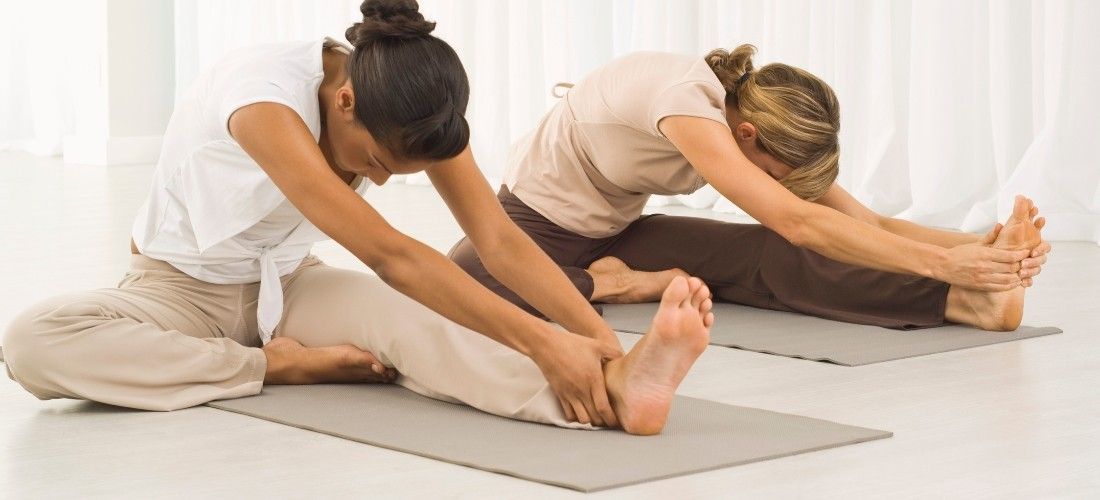
If you’re experiencing joint pain, you know how it can affect your daily life. Gentle yoga moves for joint pain relief at home are a natural way to alleviate discomfort, improve flexibility, and enhance your overall mobility. Yoga is a fantastic low-impact exercise that can help soothe inflamed joints while strengthening muscles and improving your range of motion. In this blog, we’ll explore some simple yet effective yoga moves you can easily incorporate into your daily routine to relieve joint pain, right from the comfort of your home.
- Why Yoga Is Effective for Joint Pain Relief
- Best Gentle Yoga Moves for Joint Pain Relief at Home
- Tips for Practicing Gentle Yoga at Home
Why Yoga Is Effective for Joint Pain Relief
Yoga is not only good for the mind, but it’s also incredibly beneficial for the body. Its combination of stretching, breathing, and mindfulness helps to:
- Increase flexibility: Regular practice can help lengthen muscles and reduce stiffness.
- Improve joint mobility: Targeting specific joints can promote better movement and less pain.
- Enhance circulation: Yoga helps increase blood flow to the joints, which can aid in the healing process.
- Relieve stress: Stress often exacerbates pain, and yoga’s relaxation techniques can help calm the nervous system, reducing overall pain perception.
If you’re new to yoga or have chronic joint pain, it’s important to start slowly with gentle poses and listen to your body to avoid strain or injury.
Best Gentle Yoga Moves for Joint Pain Relief at Home
Incorporating these gentle yoga moves for joint pain relief at home into your routine can help alleviate discomfort and improve overall joint health. Let’s dive into some of the best moves that can help:
1. Cat-Cow Stretch (Marjaryasana-Bitilasana)
The Cat-Cow stretch is a gentle way to warm up your spine and relieve tension in your back and neck, which can indirectly reduce stress on your joints.
How to Do It
- Start on all fours, with your wrists aligned under your shoulders and knees under your hips.
- Inhale as you drop your belly towards the floor, lifting your chest and tailbone (this is Cow pose).
- Exhale as you round your spine, tucking your chin to your chest and pulling your belly button towards your spine (this is Cat pose).
- Repeat for 5-10 breaths, moving slowly and gently.
2. Child’s Pose (Balasana)
Child’s Pose is an excellent restorative pose that stretches the lower back, hips, and knees, helping to alleviate tension in your joints.
How to Do It
- Begin by kneeling on the floor with your big toes touching and knees wide apart.
- Slowly lower your chest towards the floor, extending your arms forward or resting them by your sides.
- Hold the pose for 30 seconds to 1 minute, breathing deeply and relaxing your body.
- If this feels uncomfortable, try placing a pillow or blanket under your knees for extra support.
3. Seated Forward Fold (Paschimottanasana)
This seated stretch helps stretch the hamstrings, lower back, and hips. It also promotes flexibility in your spine, which can relieve joint pain in the lower body.
How to Do It
- Sit on the floor with your legs extended straight in front of you.
- Inhale and lengthen your spine, sitting tall.
- Exhale as you hinge at your hips and gently fold forward, reaching for your feet or ankles.
- Hold for 30 seconds to 1 minute, focusing on breathing deeply and relaxing your neck and shoulders.
4. Downward Dog (Adho Mukha Svanasana)
Downward Dog is a popular yoga pose that helps strengthen and stretch the entire body, with a particular focus on the shoulders, hamstrings, and calves.
How to Do It
- Start on all fours with your hands directly under your shoulders and knees under your hips.
- Tuck your toes and lift your hips towards the ceiling, straightening your legs and arms.
- Hold the pose for 5-10 breaths, allowing your heels to move toward the floor.
- If you experience discomfort in your lower back or knees, consider bending your knees slightly to ease the tension.
5. Sphinx Pose (Salamba Bhujangasana)
The Sphinx Pose is a gentle backbend that can help relieve tension in the lower back and strengthen the spine. It also stretches the chest and shoulders.
How to Do It
- Lie on your stomach with your legs extended and your forearms on the floor, elbows directly under your shoulders.
- Press into your forearms and lift your chest off the ground, keeping your elbows bent and your gaze forward.
- Hold for 30 seconds to 1 minute, breathing deeply and engaging your back muscles to maintain the lift.
6. Reclining Leg Stretch (Supta Padangusthasana)
This gentle stretch targets the hamstrings, calves, and lower back. It’s great for improving flexibility in your legs and reducing tension around the knee joints.
How to Do It
- Lie on your back with your legs extended.
- Lift one leg and hold it behind your thigh or calf with both hands, keeping the other leg straight on the floor.
- Hold for 30 seconds to 1 minute and then switch sides.
Tips for Practicing Gentle Yoga at Home
Here are a few tips to help you get the most out of your yoga practice for joint pain relief:
1. Listen to Your Body
If a certain movement causes discomfort, stop immediately. Yoga should feel gentle and relaxing, not painful. It’s essential to listen to your body’s limits, especially when dealing with joint pain.
2. Use Props for Support
Yoga props like blocks, bolsters, or cushions can provide extra support, especially if you’re dealing with stiffness or discomfort. For example, placing a block under your hips in seated poses can help maintain proper alignment.
3. Focus on Breathing
Deep, slow breathing can help relax your muscles and reduce tension in your joints. Inhale deeply through your nose, and exhale fully through your mouth. Focusing on your breath will also help keep your mind centered and reduce any stress or discomfort.
4. Start Slowly
If you’re new to yoga or have joint pain, don’t push yourself too hard. Start with basic poses and gradually build up your flexibility and strength over time.
Conclusion: Gentle Yoga Moves for Joint Pain Relief at Home
Incorporating gentle yoga moves for joint pain relief at home can significantly improve your joint mobility, reduce stiffness, and promote overall well-being. Yoga is a fantastic way to manage joint pain naturally, with minimal equipment and the comfort of your own space. Regular practice of these gentle yoga poses can help keep your joints flexible, enhance your range of motion, and relieve chronic pain, all while calming your mind and body.
Remember to practice with mindfulness, and always listen to your body. With time and consistency, you’ll find that yoga can be a powerful tool in managing joint pain and improving your quality of life.