
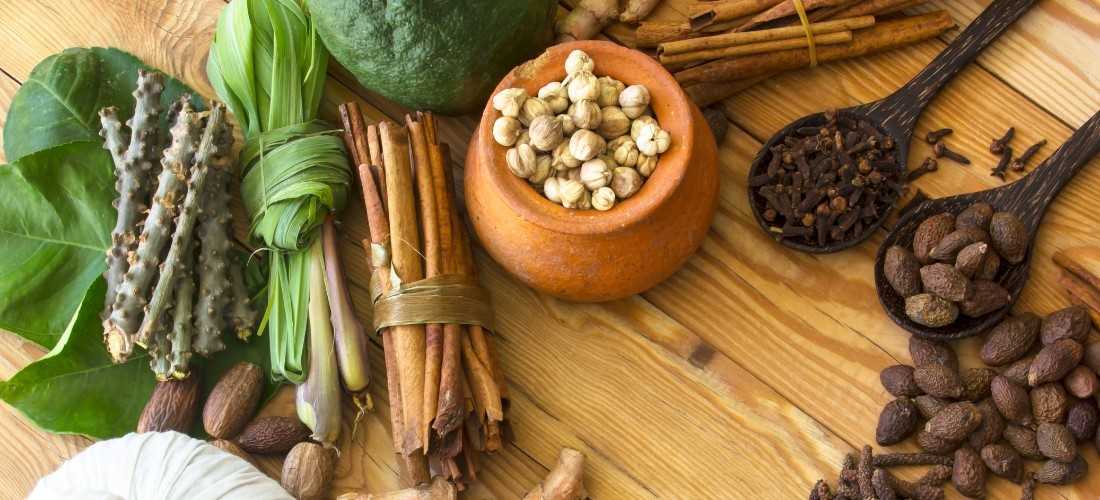
In today’s fast-paced lifestyle, protecting your health doesn’t always require supplements or complicated routines. Simple food choices can make a big difference. One of the easiest ways to support your body is by using herbs you can add to meals for quick protection.
For centuries, herbs have been used in everyday cooking to boost immunity, fight inflammation, and support digestion. Adding the right herbs to your meals can provide quick protection against common illnesses while enhancing flavor naturally. In this article, you’ll learn which herbs you can add to meals for quick protection, how they work, and easy ways to include them daily.
- Why Herbs Offer Quick Protection
- Top Herbs You Can Add to Meals for Quick Protection
- How to Use Herbs Daily Without Overdoing It
- Fresh vs Dried Herbs: Which Is Better?
- Who Should Add These Herbs to Meals?
- Common Mistakes to Avoid
- Can Herbs Replace Supplements?
- Final Thoughts
Why Herbs Offer Quick Protection
Herbs are rich in antioxidants, anti-inflammatory compounds, and natural antimicrobial agents. According to traditional systems like Ayurveda, food itself is medicine when chosen wisely.
How Herbs Protect the Body
- Strengthen the immune system
- Reduce oxidative stress
- Support gut health
- Fight harmful bacteria and viruses
This is why herbs you can add to meals for quick protection are so effective for everyday wellness.
Top Herbs You Can Add to Meals for Quick Protection
Turmeric – The Golden Protector
Turmeric is one of the most powerful herbs you can add to meals for quick protection.
Health Benefits of Turmeric
- Reduces inflammation
- Supports immunity
- Aids digestion
How to Use
Add turmeric to curries, soups, rice, or warm milk. Pair it with black pepper to enhance absorption.
Ginger – Natural Defense Booster
Ginger provides fast relief from digestive discomfort and supports immune function.
Why Ginger Works
- Improves digestion
- Reduces nausea
- Fights infections
How to Use
Grate fresh ginger into stir-fries, teas, soups, or marinades.
Garlic – Nature’s Antibiotic
Garlic is widely known for its protective properties.
Garlic Health Benefits
- Boosts immunity
- Lowers inflammation
- Supports heart health
How to Use
Add crushed garlic to vegetables, lentils, sauces, or salad dressings for maximum benefit.
Tulsi (Holy Basil) – Immunity Shield
Tulsi is a traditional herb valued for stress relief and immune protection.
Benefits of Tulsi
- Supports respiratory health
- Reduces stress hormones
- Strengthens immunity
How to Use
Add fresh tulsi leaves to soups, herbal teas, or cooked vegetables.
Oregano – Antioxidant Powerhouse
Oregano is rich in antioxidants and antimicrobial compounds.
Why Oregano Helps
- Fights harmful microbes
- Supports gut health
- Reduces inflammation
How to Use
Sprinkle dried oregano over pasta, roasted vegetables, or homemade sauces.
Cumin – Digestive Protector
Cumin supports digestion and nutrient absorption.
Cumin Health Benefits
- Reduces bloating
- Improves gut function
- Supports immunity
How to Use
Add cumin seeds to curries, rice, soups, or dry-roasted spice blends.
Coriander – Gentle Daily Detox Herb
Coriander is mild yet powerful for everyday use.
Benefits of Coriander
- Supports detoxification
- Improves digestion
- Provides antioxidant protection
How to Use
Use fresh coriander leaves as garnish or add seeds to cooking.
Thyme – Respiratory Support Herb
Thyme is especially helpful during seasonal changes.
Why Thyme Protects
- Supports lung health
- Has antibacterial properties
- Reduces inflammation
How to Use
Add thyme to soups, roasted vegetables, or stews.
How to Use Herbs Daily Without Overdoing It
Best Practices for Using Protective Herbs
To get benefits from herbs you can add to meals for quick protection:
- Use small amounts consistently
- Combine multiple herbs
- Prefer fresh or minimally processed herbs
- Avoid excessive cooking at high heat
Consistency matters more than quantity.
Fresh vs Dried Herbs: Which Is Better?
Fresh Herbs
- Higher water content
- Fresher flavor
- Slightly higher vitamin levels
Dried Herbs
- More concentrated
- Longer shelf life
- Convenient for daily cooking
Both forms work well when chosen correctly.
Who Should Add These Herbs to Meals?
Herbs you can add to meals for quick protection are ideal for:
- People with low immunity
- Those experiencing digestive issues
- Busy individuals avoiding supplements
- Anyone seeking natural wellness
They are generally safe for daily use in food quantities.
Common Mistakes to Avoid
What Not to Do
- Relying on herbs while ignoring diet quality
- Using excessive amounts
- Expecting instant medical results
- Skipping meals and relying only on herbs
Herbs work best as part of a balanced diet.
Can Herbs Replace Supplements?
For everyday health and prevention, herbs you can add to meals for quick protection can reduce the need for supplements. However, medical conditions may still require professional care.
Final Thoughts
Nature offers powerful protection in the simplest forms. By using herbs you can add to meals for quick protection, you can strengthen immunity, improve digestion, and support overall health—without changing your routine or budget.
These herbs don’t just add flavor; they add resilience to your body. Start with one or two herbs, use them consistently, and let your meals become your first line of defense.