
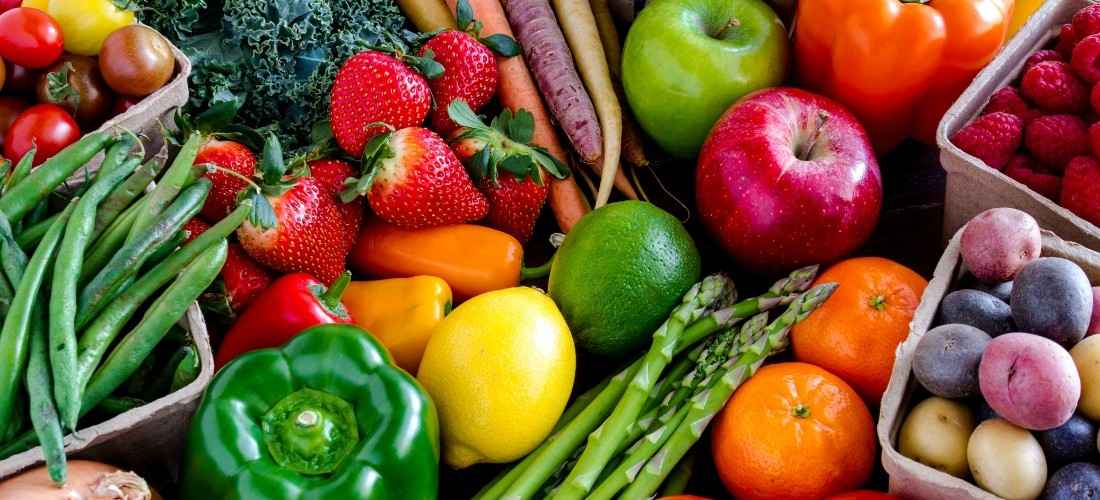
Hormones play a powerful role in nearly every function of the body—from metabolism and mood to sleep, fertility, and weight management. When hormones fall out of balance, symptoms such as fatigue, irregular periods, acne, weight gain, and mood swings can appear. The good news is that the right nutrients that balance hormones naturally can help restore harmony without harsh medications.
By nourishing your body with essential vitamins, minerals, and healthy fats, you support the body’s ability to regulate its own hormone production. In this article, you’ll learn which nutrients that balance hormones naturally matter most, how they work, and how to include them in your daily meals.
- Why Hormone Balance Depends on Nutrition
- Key Nutrients That Balance Hormones Naturally
- Magnesium – The Stress-Regulating Mineral
- Omega-3 Fatty Acids – Hormone-Friendly Fats
- Zinc – The Hormone Signaling Mineral
- Vitamin D – The Hormone Regulator
- B Vitamins – Energy and Hormone Support B vitamins help the body manage stress and energy production.
- Fiber – Hormone Detox Support
- Iron – Essential for Reproductive Health
- Selenium – Thyroid Support Nutrient
- How to Combine Nutrients for Better Hormone Balance
- Lifestyle Habits That Improve Nutrient Effectiveness
- Common Mistakes That Disrupt Hormone Balance
- How Long Does It Take to Balance Hormones Naturally?
- Can Nutrients Alone Balance Hormones?
- Final Thoughts
Why Hormone Balance Depends on Nutrition
Hormones are chemical messengers made from nutrients you consume. Without proper nutrition, hormone production and signaling suffer.
The body’s hormonal balance depends heavily on steady blood sugar levels, low inflammation, and healthy nutrient intake.
How Nutrition Affects Hormones
- Supports hormone production
- Improves hormone sensitivity
- Reduces inflammation
- Aids detoxification of excess hormones
This is why focusing on nutrients that balance hormones naturally is essential for long-term health.
Key Nutrients That Balance Hormones Naturally
Magnesium – The Stress-Regulating Mineral
Magnesium is one of the most important nutrients that balance hormones naturally, especially stress hormones.
How Magnesium Supports Hormones
- Reduces cortisol levels
- Supports sleep hormones
- Improves insulin sensitivity
Food Sources
Leafy greens, nuts, seeds, whole grains, dark chocolate
Omega-3 Fatty Acids – Hormone-Friendly Fats
Healthy fats are essential for hormone production.
Why Omega-3s Matter
- Reduce inflammation
- Improve estrogen and progesterone balance
- Support reproductive health
Food Sources
Fatty fish, flaxseeds, chia seeds, walnuts
Zinc – The Hormone Signaling Mineral
Zinc plays a critical role in hormone communication and immune function.
Hormonal Benefits of Zinc
- Supports thyroid function
- Improves ovulation
- Regulates insulin levels
Food Sources
Pumpkin seeds, lentils, nuts, eggs
Vitamin D – The Hormone Regulator
Vitamin D functions more like a hormone than a vitamin.
Why Vitamin D Is Essential
- Supports estrogen balance
- Improves insulin sensitivity
- Boosts mood-regulating hormones
Food Sources
Sunlight exposure, fortified dairy, egg yolks, mushrooms
B Vitamins – Energy and Hormone Support B vitamins help the body manage stress and energy production.
Hormonal Benefits
- Support adrenal health
- Improve estrogen metabolism
- Reduce fatigue
Food Sources
Whole grains, bananas, legumes, leafy greens
Fiber – Hormone Detox Support
Fiber plays a major role in removing excess hormones from the body.
Why Fiber Matters
- Helps eliminate excess estrogen
- Supports gut health
- Regulates blood sugar
Food Sources
Vegetables, fruits, whole grains, seeds
Iron – Essential for Reproductive Health
Iron supports oxygen delivery and hormone production.
Hormonal Role of Iron
- Supports regular menstrual cycles
- Prevents fatigue
- Improves ovulation
Food Sources
Leafy greens, lentils, beans, dates
Selenium – Thyroid Support Nutrient
The thyroid gland plays a key role in hormone balance.
Why Selenium Helps
- Supports thyroid hormone production
- Reduces oxidative stress
- Improves metabolic balance
Food Sources
Brazil nuts, sunflower seeds, whole grains
How to Combine Nutrients for Better Hormone Balance
Balance Is More Important Than Quantity
Nutrients that balance hormones naturally work best when combined.
Smart Nutrition Tips
- Eat balanced meals with protein, fats, and fiber
- Avoid extreme dieting
- Maintain regular meal timings
Consistency enhances hormone regulation.
Lifestyle Habits That Improve Nutrient Effectiveness
Support Hormone Balance Beyond Food
Nutrition works best alongside healthy habits:
- Manage stress
- Get quality sleep
- Stay physically active
- Avoid excessive caffeine and sugar
These habits help nutrients that balance hormones naturally work more effectively.
Common Mistakes That Disrupt Hormone Balance
Avoid These Pitfalls
- Skipping meals
- Excess processed foods
- Chronic stress
- Poor sleep habits
These can block the benefits of hormone-supporting nutrients.
How Long Does It Take to Balance Hormones Naturally?
Hormonal changes take time.
Expected Results
- 2–3 weeks: Improved energy and digestion
- 1–2 months: Reduced symptoms
- 3 months: Noticeable hormonal balance
Patience and consistency are essential.
Can Nutrients Alone Balance Hormones?
Nutrients that balance hormones naturally form the foundation of hormonal health. However, best results occur when combined with stress management, regular movement, and healthy routines.
Final Thoughts
Hormone balance starts with nourishment. By focusing on nutrients that balance hormones naturally, you empower your body to regulate itself, reduce symptoms, and restore long-term health.
Instead of quick fixes, choose consistent nutrition, mindful habits, and patience. Small changes today can lead to powerful hormonal harmony tomorrow.