
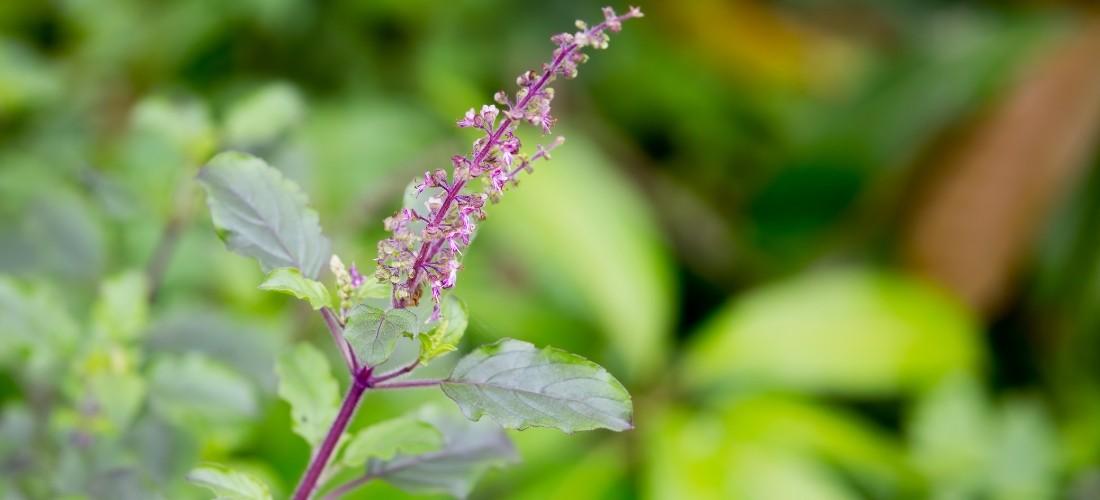
In almost every traditional Indian household, the Tulsi plant occupies a central, revered space. Worshipped as a goddess and considered a symbol of purity, Ocimum sanctum, or Holy Basil, is far more than just a spiritual totem. It is a powerhouse of medicinal properties that has been used in Ayurveda for over 3,000 years. While modern medicine is just catching up, ancient wisdom has long recognized the incredible health benefits of Tulsi for the mind, body, and spirit.
Often referred to as the “Queen of Herbs,” Tulsi is an adaptogen, meaning it helps the body adapt to stress and restore balance. Whether you consume it as a morning tea, chew the fresh leaves, or use it as an essential oil, the therapeutic applications are vast. This comprehensive guide will delve deep into the science and tradition behind the health benefits of Tulsi, explaining why this humble leaf deserves a permanent spot in your wellness routine.
- Why Tulsi is Called the "Elixir of Life"
- Top Health Benefits of Tulsi You Need to Know
- Lesser-Known Health Benefits of Tulsi
- How to Maximize the Health Benefits of Tulsi
- Precautions and Side Effects
- Conclusion
Why Tulsi is Called the “Elixir of Life”
Before understanding the specific ailments it treats, it is important to look at the nutritional profile that drives the health benefits of Tulsi. This plant is not just a garnish; it is a dense source of essential nutrients.
Nutritional Profile
Tulsi leaves are rich in vitamins A, C, and K, and minerals like calcium, magnesium, phosphorus, iron, and potassium. Furthermore, they are packed with phytochemicals and antioxidants such as eugenol, rosemary acid, and caryophyllene. These compounds work synergistically to fight inflammation and free radical damage, which is the root cause of aging and many chronic diseases.
Top Health Benefits of Tulsi You Need to Know
The range of healing properties in Holy Basil is extensive. Here are the most significant ways it impacts your health.
1. A Powerful Natural Immunity Booster
In a post-pandemic world, immunity is our top priority. One of the primary health benefits of Tulsi is its ability to modulate the immune system.
Zinc and Vitamin C
Tulsi is rich in Vitamin C and Zinc, two critical nutrients for immune defense. Regular consumption increases the activity of natural killer cells (NK cells), which are the body’s first line of defense against viruses and bacteria.
Anti-bacterial and Anti-viral
Studies have shown that Tulsi extract possesses potent anti-bacterial, anti-viral, and anti-fungal properties. It helps keep infections at bay, making it a staple remedy during the monsoon and flu seasons.
2. Reduces Stress and Anxiety (Adaptogenic Properties)
Perhaps the most celebrated of the health benefits of Tulsi is its role as an adaptogen. In our high-stress modern lives, our cortisol levels are often chronically elevated.
Balancing Cortisol
Tulsi helps normalize cortisol levels in the body. It contains compounds like Ocimumosides A and B which reduce stress and balance the neurotransmitters serotonin and dopamine. Drinking Tulsi tea acts as a natural nervine tonic, soothing the nervous system and promoting mental clarity without the drowsiness associated with pharmaceutical sedatives.
3. Promotes Respiratory Health
If you have ever been given a concoction of Tulsi, ginger, and honey for a cough, you know it works.
Fighting Congestion
The essential oils in Tulsi, specifically camphene, eugenol, and cineole, help relieve congestion in the chest. They act as an expectorant, helping to mobilize mucus. This makes the health benefits of Tulsi particularly relevant for those suffering from bronchitis, asthma, and seasonal allergies. It helps suppress coughs and soothes a sore throat almost instantly.
4. Supports Heart Health
Cardiovascular disease is a leading concern globally. Integrating Tulsi into your diet can be a protective measure.
Regulating Blood Pressure and Cholesterol
The eugenol in Tulsi helps to reduce cholesterol levels in the blood. Furthermore, its antioxidant properties prevent the oxidation of cholesterol, which is what leads to plaque buildup in arteries. By relaxing blood vessels and reducing inflammation, Tulsi aids in maintaining healthy blood pressure levels.
5. Regulates Blood Sugar Levels
For those managing type 2 diabetes or pre-diabetes, the health benefits of Tulsi offer a natural support system.
Insulin Sensitivity
Research suggests that consuming Holy Basil can help lower blood sugar levels. It stimulates the secretion of insulin and improves the body’s sensitivity to it. While it is not a replacement for medication, it is an excellent dietary adjunct for glycemic control.
Lesser-Known Health Benefits of Tulsi
Beyond the common uses, Tulsi has surprising benefits for other parts of the body.
Kidney Stone Prevention
Tulsi acts as a mild diuretic and helps detoxify the body. It helps reduce uric acid levels in the blood, which is a primary contributor to kidney stones. The acetic acid and essential oils in Tulsi also help in breaking down stones and reducing the pain associated with them.
Oral Health and Dental Care
You might find Tulsi as an ingredient in herbal toothpastes.
- Destroys Bacteria: Its antibacterial properties kill the bacteria responsible for cavities, plaque, and bad breath (halitosis).
- Gum Health: The anti-inflammatory compounds help reduce swelling in the gums and can treat mouth ulcers.
Skin and Hair Radiance
The health benefits of Tulsi extend to beauty as well.
- Acne Treatment: When applied topically, Tulsi paste kills acne-causing bacteria.
- Anti-Aging: The antioxidants fight free radicals, delaying the appearance of fine lines and wrinkles.
- Scalp Health: It helps treat dandruff and prevents hair loss by strengthening the hair follicles.
How to Maximize the Health Benefits of Tulsi
To truly reap the rewards, consistency is key. Here are the best ways to consume it.
1. Traditional Tulsi Tea (Kadha)
This is the most common method.
- Ingredients: 5-7 fresh Tulsi leaves, 1 cup water, a slice of ginger, 1 tsp honey.
- Method: Boil the water with leaves and ginger for 5-7 minutes. Strain and add honey. Drink this warm on an empty stomach to maximize absorption.
2. Chewing Fresh Leaves
You can pluck fresh leaves, wash them, and chew them. Note: Some traditional beliefs suggest swallowing them whole to protect tooth enamel from the iron content, but munching a few leaves occasionally is generally safe.
3. Tulsi Drops or Supplements
For those with busy lifestyles, concentrated Tulsi drops or capsules are available. Ensure you buy from a reputable organic brand to ensure you are getting the full spectrum of health benefits of Tulsi without pesticides.
Precautions and Side Effects
While Tulsi is generally safe, “natural” does not always mean “harmless” for everyone.
- Blood Thinning: Tulsi has mild blood-thinning properties. If you are on anti-clotting medication like Warfarin, consult your doctor.
- Pregnancy and Breastfeeding: High doses should be avoided during pregnancy as it may stimulate uterine contractions.
- Surgery: Stop consuming Tulsi two weeks before a scheduled surgery to prevent bleeding risks.
Conclusion
The humble Tulsi plant is truly a miracle of nature. It bridges the gap between ancient Ayurvedic tradition and modern nutritional science. From shielding your body against infections to calming a racing mind, the health benefits of Tulsi are comprehensive and profound. By making this simple herb a part of your daily regimen, you are investing in a holistic shield for your health. So, the next time you see that green plant in your courtyard or balcony, remember—you are looking at one of the world’s most potent healers.