
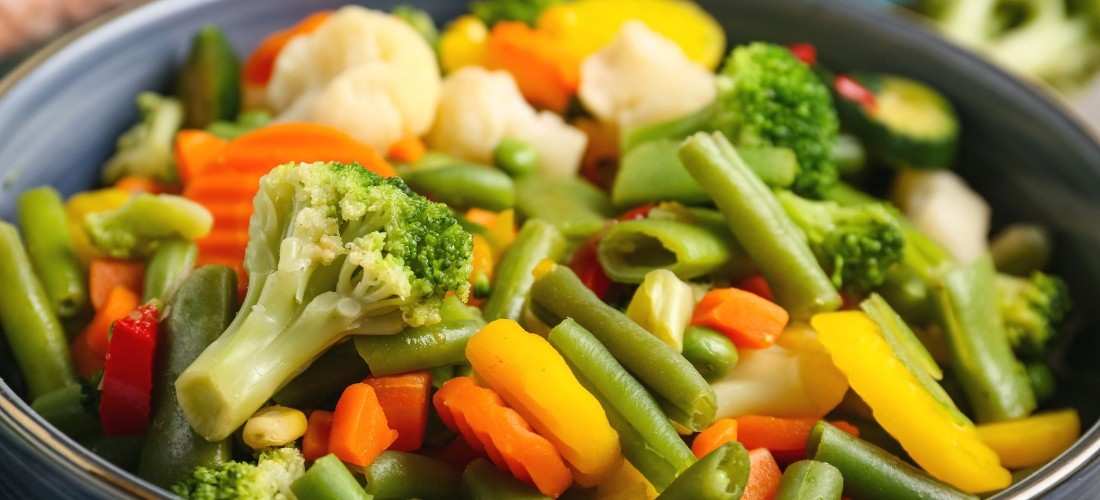
Following a vegetarian diet does not mean you have to compromise on protein intake. Knowing the best high-protein vegetables for vegetarians can help you build muscle, improve energy levels, and maintain overall health. Protein plays a crucial role in repairing tissues, boosting immunity, and supporting metabolism. With the right plant-based choices, you can easily meet your daily protein needs and enjoy a balanced lifestyle.
In this guide, we’ll explore the top protein-rich vegetables, their benefits, and how they support your health.
Why Protein Is Essential for Vegetarians
Protein is a vital nutrient that supports many important body functions. For vegetarians, choosing the right sources is especially important.
Key Roles of Protein:
- Muscle repair and growth
- Hormone and enzyme production
- Immune system support
- Weight management
- Energy and metabolism
Focusing on high-protein vegetables for vegetarians ensures you get enough nutrients without relying on animal-based foods.
Best High-Protein Vegetables for Vegetarians
Here are some of the top vegetables that provide both protein and essential nutrients.
1. Spinach
Spinach is one of the most nutrient-dense and high-protein vegetables for vegetarians. It contains iron, magnesium, and antioxidants that support overall wellness.
Protein content: About 3 grams per cooked cup
Health Benefits:
- Supports muscle recovery
- Boosts immunity
- Improves energy levels
How to Include:
- Add to smoothies
- Use in curries and soups
- Include in salads
2. Broccoli
Broccoli is rich in protein, fiber, and vitamin C, making it excellent for digestion and weight management.
Protein content: About 4 grams per cup
Health Benefits:
- Promotes fat loss
- Supports heart health
- Enhances metabolism
How to Include:
- Stir-fry with tofu
- Add to pasta or salads
- Roast with olive oil
3. Green Peas
Green peas are among the most popular high-protein vegetables for vegetarians and contain essential amino acids.
Protein content: Around 8 grams per cup
Health Benefits:
- Supports muscle growth
- Stabilizes blood sugar
- Provides sustained energy
How to Include:
- Add to pulao and curries
- Blend in soups
- Use in salads
4. Brussels Sprouts
These vegetables offer a good combination of protein, fiber, and antioxidants.
Protein content: Around 4 grams per cup
Health Benefits:
- Improves digestion
- Reduces inflammation
- Supports detoxification
How to Include:
- Roast with spices
- Add to stir-fries
- Mix in salads
5. Kale
Kale is considered a superfood and a great choice among high-protein vegetables for vegetarians.
Protein content: Around 3 grams per cup
Health Benefits:
- Strengthens bones
- Supports heart health
- Provides antioxidants
How to Include:
- Add to smoothies
- Use in salads
- Stir-fry with garlic
6. Sweet Corn
Sweet corn provides moderate protein along with healthy carbohydrates.
Protein content: Around 5 grams per cup
Health Benefits:
- Boosts energy
- Supports workouts
- Improves digestion
How to Include:
- Add to soups and salads
- Eat as a snack
- Include in wraps
How High-Protein Vegetables Benefit Your Health
Including high-protein vegetables for vegetarians in your daily diet offers many health advantages.
Muscle Growth and Recovery
Plant-based protein supports muscle repair and strength, especially when combined with legumes and grains.
Weight Management
High-protein foods increase fullness and reduce overeating, making weight control easier.
Better Digestion
Vegetables provide fiber that supports gut health and improves nutrient absorption.
Improved Metabolism
Protein increases calorie burning and helps maintain lean body mass.
Heart and Overall Health
Vegetables are rich in vitamins, minerals, and antioxidants that reduce the risk of chronic diseases.
How to Combine Vegetables for Complete Protein
Vegetables alone may not provide all essential amino acids. Combining them with other foods improves protein quality.
Best Protein Combinations:
- Vegetables + lentils
- Vegetables + chickpeas
- Vegetables + whole grains
- Vegetables + nuts and seeds
These combinations help create complete protein sources.
Sample High-Protein Vegetarian Meal Plan
Breakfast
- Spinach smoothie with nuts
- Oats with seeds
Lunch
- Brown rice with broccoli and tofu
- Mixed vegetable salad
Snack
- Roasted corn
- Sprouts
Dinner
- Lentil soup with kale
- Whole wheat roti with green peas
Common Mistakes Vegetarians Should Avoid
- Eating too many refined carbohydrates
- Ignoring protein intake
- Not combining plant proteins
- Relying on processed foods
- Skipping balanced meals
Avoiding these mistakes ensures optimal nutrition.
Final Thoughts
Choosing the right high-protein vegetables for vegetarians can help you stay strong, energetic, and healthy. By combining protein-rich vegetables with legumes, grains, and healthy fats, you can easily meet your nutritional needs and support long-term wellness.
Start adding these vegetables to your meals today and enjoy a balanced, plant-based lifestyle.