
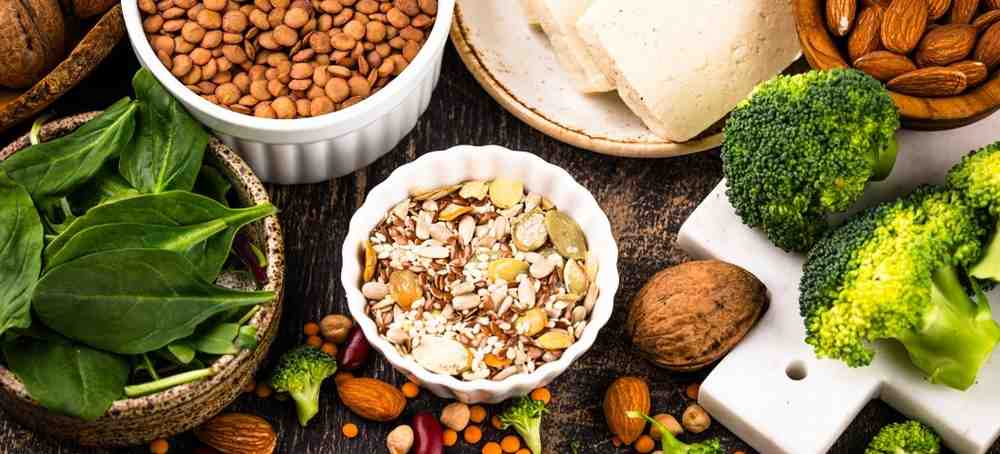
Protein plays a vital role in repairing muscle tissue after workouts. It also helps in building new muscle fibers and maintaining lean body mass. For vegetarians, focusing on high-protein vegetables for vegetarians ensures that the body gets enough amino acids to support strength and endurance.
Benefits of Adequate Protein Intake
- Supports muscle repair and recovery
- Enhances strength and performance
- Improves metabolism
- Promotes healthy weight management
Top High-Protein Vegetables for Vegetarians
Here is a complete list of vegetables that can help you meet your protein needs.
1. Green Peas
Green peas are among the best high-protein vegetables for vegetarians. One cup contains about 8 grams of protein. They also provide fiber, vitamins, and minerals that support overall health.
2. Spinach
Spinach is a nutrient-dense vegetable rich in protein and iron. It supports muscle function and improves oxygen delivery in the body.
3. Broccoli
Broccoli contains protein along with antioxidants that reduce inflammation and support muscle recovery.
4. Brussels Sprouts
These vegetables are packed with protein, fiber, and vitamins that improve digestion and strength.
5. Asparagus
Asparagus provides a moderate amount of protein and essential nutrients for muscle health.
6. Sweet Corn
Sweet corn is another good option for vegetarians looking to increase protein intake.
Other Plant-Based Protein Sources to Combine
Although vegetables provide protein, combining them with other plant-based foods improves amino acid balance.
Legumes and Pulses
- Lentils
- Chickpeas
- Kidney beans
- Black beans
Whole Grains
- Quinoa
- Brown rice
- Oats
Combining grains and legumes creates complete protein, which supports muscle growth.
How to Include High-Protein Vegetables in Your Diet
Adding these foods to daily meals is simple and effective.
Breakfast Ideas
- Vegetable omelet alternative with tofu and spinach
- Smoothies with greens and plant protein
Lunch Options
- Quinoa salad with broccoli and peas
- Lentil soup with vegetables
Dinner Recipes
- Stir-fried vegetables with beans
- Vegetable curry with whole grains
Benefits of High-Protein Vegetables Beyond Muscle Growth
Using high-protein vegetables for vegetarians offers many health advantages.
Supports Heart Health
Plant-based diets reduce cholesterol and improve heart function.
Improves Digestion
High fiber content supports gut health.
Enhances Immunity
Vitamins and antioxidants protect against disease.
Promotes Sustainable Nutrition
Plant foods are eco-friendly and sustainable.
Common Mistakes Vegetarians Make
Even with access to protein-rich foods, many people make errors.
Not Eating Enough Calories
Muscle growth requires adequate energy intake.
Ignoring Protein Timing
Eating protein after workouts improves recovery.
Lack of Variety
Consuming different vegetables and legumes ensures balanced nutrition.
Tips to Maximize Muscle Growth on a Vegetarian Diet
To get the best results:
- Eat protein in every meal
- Include resistance training
- Stay hydrated
- Get enough sleep
- Monitor nutrient intake
Consistency and proper nutrition lead to long-term muscle development.
Daily Protein Requirement for Vegetarians
Active individuals should aim for 1.2–2 grams of protein per kilogram of body weight. Including high-protein vegetables for vegetarians along with legumes and grains helps achieve this target.
Final Thoughts
Including high-protein vegetables for vegetarians in your diet can support muscle growth, improve recovery, and enhance overall health. With the right combination of plant-based foods, consistent workouts, and healthy habits, vegetarians can build strong, lean muscles naturally. Start adding these vegetables to your meals today and enjoy the benefits of a balanced and nutritious diet.