
If you’re new to bedtime yoga, this Beginner’s Guide to Yoga Poses for Better Sleep gives you a calm, repeatable routine you can do in 15 minutes or less. The goal isn’t sweat—it’s downshifting your nervous system so your mind settles, muscles release, and sleep comes easier.
Why yoga helps you sleep
Slow, supported poses and exhale-focused breathing activate your parasympathetic (“rest and digest”) system. That gentle shift lowers heart rate, loosens tight areas (neck, hips, back), and helps your brain exit “go-mode.” Consistency beats intensity: five quiet poses most nights will outperform a single long session once a week.
What you need (and what you don’t)
- Props: 2 pillows (or a bolster), blanket, strap or scarf, and a wall/couch.
- Space: A mat or soft rug, lights dimmed, phone on Do Not Disturb.
- Mindset: Move slowly, breathe softly, stop if anything hurts.
Beginner’s Guide to Yoga Poses for Better Sleep: 15-minute routine
Follow the times loosely. If a pose feels great, stay longer and shorten the next one.
Minute 0–2: Arrive & lengthen your exhale
Sit comfortably. Inhale through the nose for 4, exhale for 6–8. Keep shoulders relaxed and jaw soft.
Tip
Place a hand on your belly. Feel it rise on inhale, gently fall on exhale.
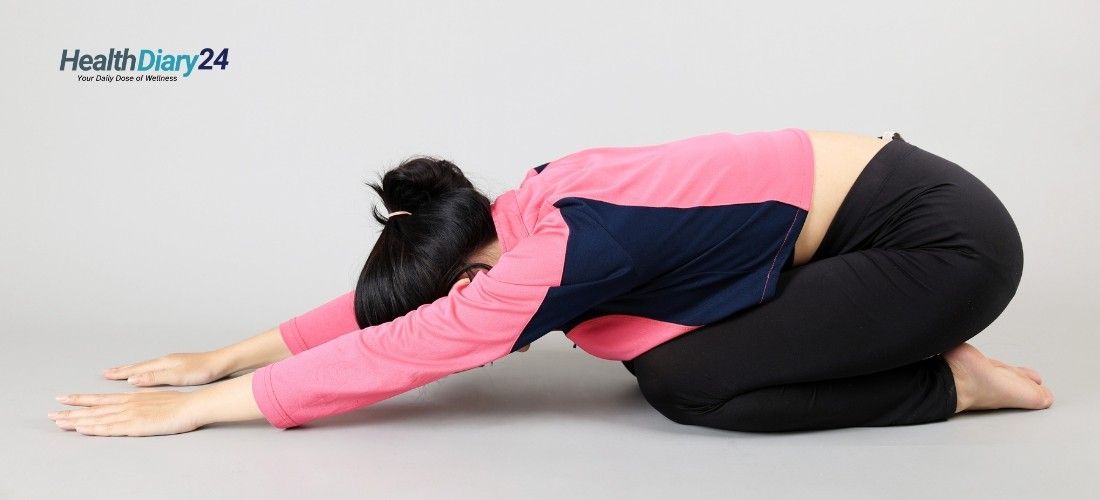
Minute 2–5: Supported Child’s Pose (Balasana)
Kneel, big toes touching, knees apart. Place a pillow lengthwise and fold your torso onto it, turning your head to one side (switch halfway).
Why it helps
Soothes the back body, eases shoulder and neck tension—perfect starter for the Beginner’s Guide to Yoga Poses for Better Sleep flow.
Minute 5–8: Reclined Bound Angle (Supta Baddha Konasana)
Lie on your back, bring soles of feet together, knees open. Slide pillows under thighs for support; blanket under head.
Cues
Arms out at 45°. Breathe into the belly and low ribs. If hips tug, bring feet farther from the pelvis.
Minute 8–11: Legs Up the Wall (Viparita Karani) or Legs on Couch
Scoot one hip to the wall and swing legs up; or lie perpendicular to a couch and rest calves on the seat.
Why it helps
Drains heaviness from legs, calms the nervous system, and encourages slower breathing.
Minute 11–13: Supine Twist (Jathara Parivartanasana)
Hug knees to chest, drop them to the right; arms in a T. Breathe into your side ribs for 5–8 breaths, then switch.
Modify
Place a pillow between knees or under them to reduce strain.
Minute 13–15: Constructive Rest + Box Breathing
Feet on floor, knees knock together, one hand on chest/one on belly. Try Box Breathing: inhale 4, hold 4, exhale 4, hold 4—two rounds—then return to longer, gentle exhales.
Alternatives if you sit all day
Seated Forward Fold (Paschimottanasana) — 1–2 minutes
Sit on a folded blanket, strap around feet, bend knees as needed, fold over a pillow on your thighs.
Why: Soothes back line of the body; supported version keeps it sleepy-friendly.
Figure-4 Release (Supine) — 1 minute/side
On your back, cross right ankle over left knee; hug the “triangle” toward you.
Why: Loosens hips that tighten from chairs and stress.
Breathing that pairs with the Beginner’s Guide to Yoga Poses for Better Sleep
- 4-7-8 breathing (2–4 rounds): Inhale 4, hold 7, exhale 8.
- Humming Bee (Bhramari) light version (3–5 exhales): Gentle “mmm” hum on exhale; keep it soft and soothing.
- 1:2 ratio: Inhale 4, exhale 8—most sedating for many beginners.
If breath holds feel edgy, skip the “hold” and simply lengthen your exhale.
Dos and don’ts before bed
Do
- Dim lights 30–60 minutes before starting.
- Keep the room slightly cool; have a blanket handy.
- Move slowly; treat transitions as part of the practice.
Don’t
- Avoid strong backbends, fast flows, headstands, or breath of fire at night.
- Don’t stretch to the point of intensity; “ahh” not “ow.”
- Skip devices: no texts, no news—protect the vibe.
Common tweaks for real bodies
Tight hamstrings or a sensitive low back
- Bend knees in forward folds and place a pillow on thighs to rest your torso.
- In twists, support knees with a pillow to avoid pulling.
Stuffy nose or mild congestion
- Favor legs on couch over legs up the wall if pressure builds.
- Keep head slightly elevated in reclined poses.
Pregnancy (2nd–3rd trimester)
- Avoid long supine (flat-back) holds; choose side-lying versions with pillow support.
- Skip deep twists; use gentle open twists instead. Consult your clinician as needed.
A 7-day starter plan
- Day 1: Try the full 15-minute sequence.
- Day 2: Do only Child’s Pose + Legs on Couch (8–10 min total).
- Day 3: Add 4-7-8 breathing (3 rounds) before the sequence.
- Day 4: Swap Supta Baddha for Figure-4; keep exhales long.
- Day 5: Journal one sentence after practice: “I feel ___.”
- Day 6: Short version (twist + constructive rest, 8 minutes).
- Day 7: Pick your favorite 3 poses and make them your nightly “mini.”
FAQs: Beginner’s Guide to Yoga Poses for Better Sleep
How soon before bed should I practice?
30–60 minutes prior works well, but even 10 minutes right before lights-out can help.
What if I can’t shut my brain off?
Stay longer in legs up the wall or constructive rest and count slow exhales from 10 down to 1, repeating as needed.
How long until I notice a difference?
Many beginners report easier transitions to sleep within a week of practicing most nights.
Can I use this if I already work out?
Yes—this routine is recovery-focused. Do it after evening workouts or in place of them on rest days.
Safety note
If you have injuries, vertigo, glaucoma, uncontrolled blood pressure, are pregnant, or have a medical condition, check with a qualified professional and modify poses as needed. Pain is a stop sign—ease out or skip.
Bottom line: beginner habits beat heroic routines
This Beginner’s Guide to Yoga Poses for Better Sleep is about softness, not performance. Dim the lights, slow your breath, support your body, and repeat a handful of poses most nights. Small, consistent signals tell your nervous system, “It’s safe to rest.”