
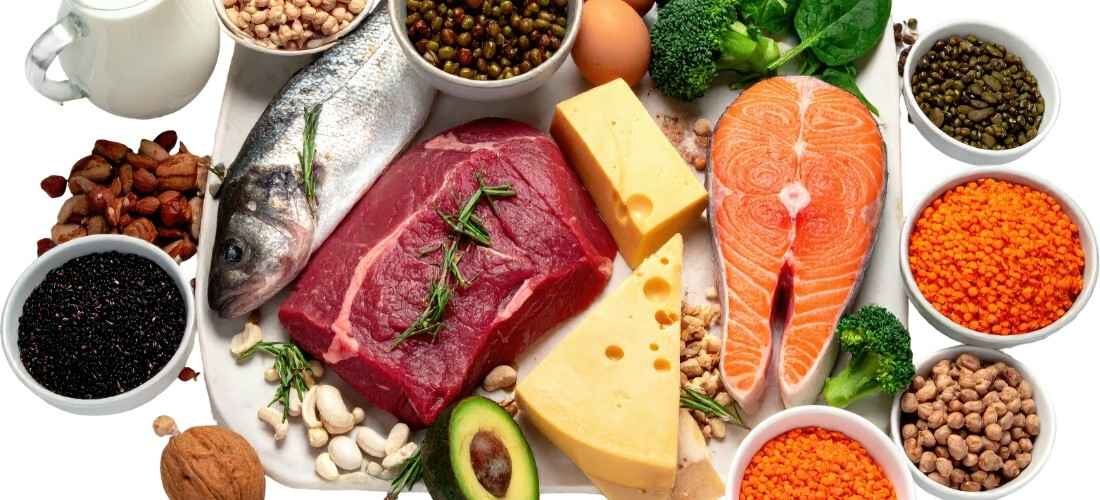
When you’re trying to build muscle, protein is one of the most important nutrients. But high-quality proteins often come with a steep price tag — or do they? Knowing the best budget proteins for muscle goals helps you pack effective protein into your meals without overspending.
Whether you’re a beginner lifter, a student on a budget, or just looking to support strength gains affordably, choosing the right foods makes a huge difference. In this article, we’ll explore the best budget proteins for muscle goals and how to include them in your everyday diet.
- Why Protein Matters for Muscle Growth
- How Much Protein Do You Need?
- Top 10 Best Budget Proteins for Muscle Goals
- 1. Eggs — Affordable Complete Protein
- 2. Greek Yogurt — Cost-Effective & Muscle-Friendly
- 3. Canned Tuna — High Protein, Low Cost
- 4. Chicken Thighs — Cheaper Than Breasts
- 5. Lentils — Budget Plant Protein
- 6. Cottage Cheese — Slow-Digesting Protein
- 7. Peanut Butter — Protein + Healthy Fats
- 8. Canned Beans — Classic Budget Muscle Food
- 9. Protein Powder (Budget Option)
- 10. Oats — Not Just Carbs, Also Protein
- How to Maximize Muscle Gains With Budget Proteins
- Best Budget Protein Meals for Muscle Goals
- Common Mistakes People Make When Choosing Protein
- Final Tips to Build Muscle on a Budget
- Final Thoughts
Why Protein Matters for Muscle Growth
Protein builds and repairs muscle tissue after resistance training. When you consume enough protein, your body:
- Supports muscle repair and growth
- Improves recovery after workouts
- Boosts strength and performance
- Aids fat loss while preserving muscle
To hit your muscle targets, prioritizing protein intake — especially the best budget proteins for muscle goals — is crucial.
How Much Protein Do You Need?
While needs vary based on age, weight, and training intensity, general guidelines for muscle building are:
- 1.2 to 2.2 grams per kilogram of body weight
- 0.7 to 1.0 grams per pound
This means a 70 kg person may need 84–154 grams of protein per day to maximize gains, depending on training intensity.
Top 10 Best Budget Proteins for Muscle Goals
Here are affordable protein sources that deliver value without breaking the bank.
1. Eggs — Affordable Complete Protein
Eggs are nutrition powerhouses.
Benefits
- High in leucine (essential for muscle synthesis)
- Complete protein source — contains all amino acids
- Easy, versatile, and cheap
💡 Try: Boiled eggs, omelettes, or egg-based scrambles for breakfast or snacks.
2. Greek Yogurt — Cost-Effective & Muscle-Friendly
Greek yogurt packs more protein than regular yogurt.
Benefits
- Up to 15–20g protein per serving
- Contains probiotics for gut health
- A good balance of carbs and protein
💡 Try: Greek yogurt with fruit or seeds as a post-workout snack.
3. Canned Tuna — High Protein, Low Cost
Canned tuna is one of the most budget-friendly lean proteins.
Benefits
- Around 20–25g protein per can
- Rich in omega-3 fatty acids
- No cooking required
💡 Try: Tuna sandwiches, salads, or wraps.
4. Chicken Thighs — Cheaper Than Breasts
While chicken breast is popular, thighs are often cheaper and just as nutritious.
Benefits
- Around 20–25g protein per serving
- Economical and flavorful
- Great for batch cooking
💡 Try: Baked or grilled chicken thigh with veggies and rice.
5. Lentils — Budget Plant Protein
Lentils are a top choice for plant-based protein on a budget.
Benefits
- ~18g protein per cooked cup
- High in fiber
- Keeps you full longer
💡 Try: Lentil soup, stews, or lentils with grains like rice or quinoa.
6. Cottage Cheese — Slow-Digesting Protein
Cottage cheese is inexpensive and rich in casein protein, which digests slowly — great for muscle recovery.
Benefits
- ~14g protein per ½ cup
- Supports overnight recovery
- Works well as a snack or part of a meal
💡 Try: Cottage cheese with fruit or whole-grain toast.
7. Peanut Butter — Protein + Healthy Fats
While not as high in protein per gram, peanut butter is cheap and versatile.
Benefits
- ~8g protein per 2 tbsp
- Contains heart-healthy fats
- Great for adding calories and muscle gain
💡 Try: Peanut butter in smoothies or on toast with banana slices.
8. Canned Beans — Classic Budget Muscle Food
Canned beans like black beans or kidney beans are among the best budget proteins for muscle goals.
Benefits
- ~15g protein per cooked cup
- Rich in fiber and micronutrients
- Superb plant protein option
💡 Try: Bean salads, wraps, or rice and beans meals.
9. Protein Powder (Budget Option)
Even inexpensive protein powders can be economical if used smartly.
Benefits
- Easy to add to smoothies
- Helps hit daily protein targets
- Often cheaper per gram than many meats
💡 Try: Whey or plant-based protein shakes after workouts.
10. Oats — Not Just Carbs, Also Protein
Though mostly known as a carb, oats contain more protein than most grains.
Benefits
- ~6g protein per cooked cup
- High in fiber and slow-digesting carbs
- Pair with milk or yogurt to boost protein
💡 Try: Oats with milk and seeds for a protein-rich breakfast.
How to Maximize Muscle Gains With Budget Proteins
1. Combine Protein Sources
Combining beans and rice or oats with Greek yogurt helps create a complete amino acid profile — important when relying on plant proteins.
2. Spread Protein Intake Throughout the Day
Aim to spread protein evenly across meals:
- Breakfast
- Lunch
- Dinner
- Post-workout snack
This helps maintain muscle synthesis constantly.
3. Cook in Bulk
Batch cooking saves money and time:
- Boil a dozen eggs at once
- Cook chicken thighs for the week
- Prep lentils and beans ahead
Best Budget Protein Meals for Muscle Goals
Meal Idea 1 — Chicken + Rice + Veggies
Balanced, high protein, and cheap.
Meal Idea 2 — Tuna Wrap With Greek Yogurt
Fast, easy, and muscle-friendly.
Meal Idea 3 — Lentil & Veggie Bowl
Perfect plant protein staple.
Common Mistakes People Make When Choosing Protein
Only Eating Expensive Protein Sources
Many overlook cheap, effective options like lentils, beans, eggs, and canned fish.
Ignoring Protein Timing
Eating all protein in one meal can reduce muscle protein synthesis.
Final Tips to Build Muscle on a Budget
- Shop seasonal produce
- Use frozen vegetables
- Choose cheaper cuts of meat
- Buy in bulk
- Pair proteins with fiber and carbs
Final Thoughts
Reaching your muscle goals doesn’t require expensive supplements or premium protein brands. By focusing on the best budget proteins for muscle goals, you can support muscle growth, recovery, and strength — even on a tight budget.
Affordable proteins like eggs, lentils, chicken thighs, and canned tuna provide real nutritional value without costing a fortune. Pair them with smart meal planning, consistent training, and good sleep, and you’ll be well on your way to stronger, healthier muscle gains.