
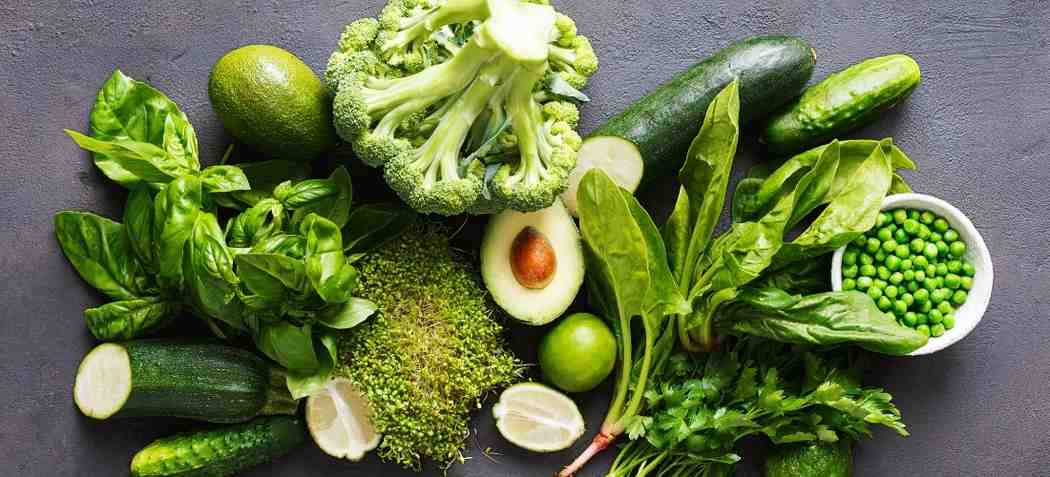
Building muscle and maintaining strength on a plant-based diet is completely achievable when you choose the best high-protein vegetables for vegetarians. While vegetables are often known for vitamins and fiber, many also provide a surprising amount of protein that supports muscle repair, recovery, and overall wellness. In this guide, we will explore the top protein-rich vegetables, their nutritional benefits, and how to include them in your daily meals for better health and muscle growth.
Why Protein Is Important for Vegetarians
Protein is essential for:
- Muscle repair and growth
- Tissue regeneration
- Hormone production
- Immune system support
- Maintaining lean body mass
For vegetarians, focusing on the best high-protein vegetables for vegetarians ensures that daily protein needs are met naturally.
Best High-Protein Vegetables for Vegetarians (Complete List)
Here are some of the top vegetables that provide the highest protein content per serving.
1️⃣ Green Peas
Green peas are one of the best high-protein vegetables for vegetarians, offering around 8 grams of protein per cup. They are also rich in fiber and antioxidants.
2️⃣ Spinach
Spinach provides plant-based protein along with iron and magnesium, which help improve muscle performance and recovery.
3️⃣ Broccoli
Broccoli contains a good amount of protein compared to most vegetables and is packed with anti-inflammatory compounds.
4️⃣ Brussels Sprouts
These are nutrient-dense and provide protein along with vitamin C and fiber.
5️⃣ Asparagus
Asparagus contains moderate protein and essential nutrients that support metabolism.
6️⃣ Kale
Kale is another leafy green that contributes protein and powerful antioxidants.
7️⃣ Sweet Corn
Sweet corn offers a combination of protein and carbohydrates, making it great for post-workout meals.
How These Vegetables Support Muscle Growth
Including the best high-protein vegetables for vegetarians in your meals helps:
- Repair muscle fibers after workouts
- Reduce muscle soreness
- Improve strength
- Support endurance
- Maintain lean body mass
Although vegetables may not provide complete protein individually, combining them with legumes and whole grains improves amino acid balance.
How to Include High-Protein Vegetables in Your Diet
Breakfast Ideas
- Spinach smoothie with plant protein
- Vegetable oats bowl
Lunch Ideas
- Quinoa salad with broccoli and peas
- Lentil and vegetable soup
Dinner Ideas
- Stir-fried mixed vegetables with tofu
- Vegetable curry with brown rice
Adding variety ensures better nutrition and protein intake.
Daily Protein Requirements for Vegetarians
For muscle growth:
- Sedentary adults: 0.8g per kg body weight
- Active individuals: 1.2–2g per kg body weight
Including the best high-protein vegetables for vegetarians alongside beans, lentils, tofu, and grains makes reaching these targets easier.
Additional Health Benefits
Beyond muscle growth, these vegetables:
- Improve digestion (high fiber)
- Support heart health
- Boost immunity
- Aid weight management
- Reduce inflammation
Common Mistakes to Avoid
- Not eating enough calories
- Relying on only one protein source
- Skipping post-workout nutrition
- Ignoring strength training
A balanced diet combined with exercise is essential.
Final Thoughts
Choosing the best high-protein vegetables for vegetarians can significantly support muscle growth, recovery, and long-term health. By incorporating a variety of protein-rich vegetables and combining them with legumes and whole grains, vegetarians can build strength naturally and effectively. Consistency, balanced nutrition, and proper training are the keys to success.