
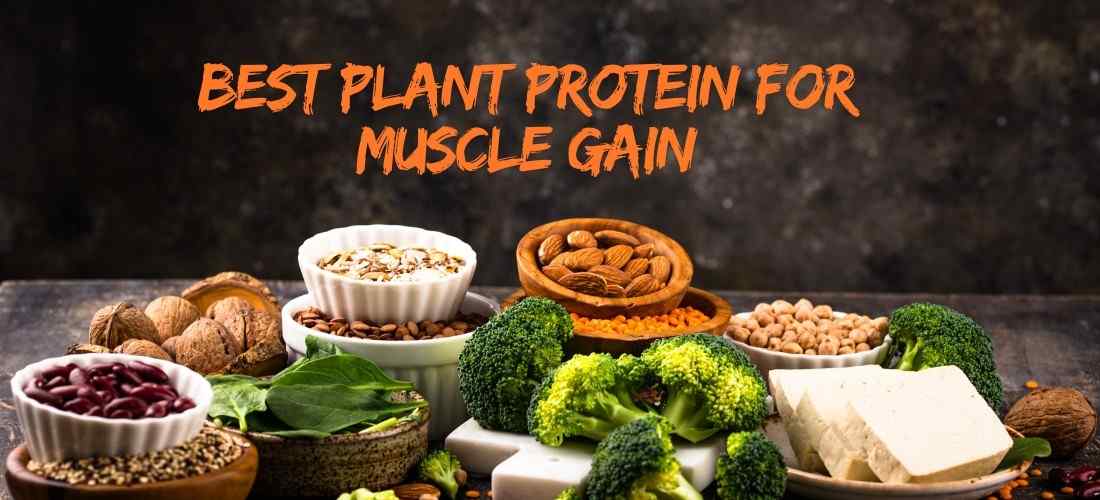
Choosing the best plant protein for muscle gain is essential if you want to build lean muscle on a vegetarian or vegan diet. Many people believe muscle growth is only possible with animal protein, but science proves otherwise. Plant-based protein sources provide essential amino acids, support muscle recovery, and help you gain strength when combined with proper training and calorie intake.
In this blog, you’ll learn which plant proteins are best for muscle gain, how to use them effectively, and how to maximize results naturally.
- Why Protein Is Important for Muscle Gain
- What Makes a Plant Protein Good for Muscle Gain?
- Best Plant Protein for Muscle Gain (Top Sources)
- 1. Pea Protein
- 2. Soy Protein (Tofu, Tempeh, Edamame)
- 3. Lentils and Legumes
- 4. Quinoa
- 5. Nuts and Seeds
- Best Plant Protein Powders for Muscle Gain
- How Much Plant Protein Do You Need for Muscle Gain?
- Best Time to Consume Plant Protein
- Common Mistakes with Plant Protein Diets
- Sample High-Protein Plant-Based Day
- How Long Does It Take to Build Muscle on Plant Protein?
- Final Thoughts
Why Protein Is Important for Muscle Gain
Protein is the building block of muscle. When you train, muscle fibers break down and need protein to repair and grow stronger.
Role of Protein in Muscle Growth
- Repairs damaged muscle tissue
- Supports muscle protein synthesis
- Prevents muscle loss
- Improves workout recovery
Without enough protein, muscle growth slows down—even with intense training.
What Makes a Plant Protein Good for Muscle Gain?
Not all proteins are equal. The best plant protein for muscle gain should meet specific criteria.
Key Factors to Look For
1. Complete Amino Acid Profile
Contains all nine essential amino acids.
2. High Leucine Content
Leucine triggers muscle protein synthesis.
3. Good Digestibility
Helps your body absorb nutrients efficiently.
4. Adequate Protein Quantity
Enough grams per serving to meet daily needs.
Best Plant Protein for Muscle Gain (Top Sources)
Below are the most effective plant-based protein sources for building muscle.
1. Pea Protein
Why Pea Protein Is Excellent for Muscle Gain
Pea protein is one of the most popular choices among athletes.
Benefits
- High in BCAAs
- Rich in leucine
- Easy to digest
- Comparable to whey for muscle growth
Pea protein powder is often considered the best plant protein for muscle gain in supplement form.
2. Soy Protein (Tofu, Tempeh, Edamame)
Complete Plant Protein for Muscle Building
Soy is one of the few plant proteins that is complete.
Protein Content
- Tofu: 10–20 g per cup
- Tempeh: 20+ g per cup
- Edamame: 17 g per cup
Benefits
- Supports muscle recovery
- Improves strength
- Affordable and versatile
Soy-based foods are among the best plant protein for muscle gain through whole foods.
3. Lentils and Legumes
High-Protein Whole Foods
Lentils, chickpeas, and beans are excellent muscle-supporting foods.
Benefits
- High in protein and fiber
- Supports sustained energy
- Rich in iron and zinc
Pro Tip
Combine legumes with grains for a complete amino acid profile.
4. Quinoa
Complete Grain Protein
Quinoa is a rare grain that contains all essential amino acids.
Why It’s Effective
- 8 g protein per cooked cup
- High in magnesium and iron
- Easy to digest
Quinoa supports muscle recovery and works well in balanced meals.
5. Nuts and Seeds
Protein + Healthy Fats
Seeds are nutrient-dense and ideal for muscle gain.
Best Options
- Hemp seeds (complete protein)
- Pumpkin seeds
- Chia seeds
- Almonds and peanuts
They enhance calorie intake and support hormone health—important for muscle growth.
Best Plant Protein Powders for Muscle Gain
Protein powders help meet daily protein goals easily.
Top Choices
Pea Protein Powder
- High protein per scoop
- Excellent for post-workout
Brown Rice Protein
- Gentle on digestion
- Often combined with pea protein
Blended Plant Protein
- Combines pea, rice, hemp, etc.
- Provides complete amino acids
Blends are often the best plant protein for muscle gain when using supplements.
How Much Plant Protein Do You Need for Muscle Gain?
Recommended Intake
- 1.6–2.2 g protein per kg of body weight
- Spread evenly across meals
Example:
A 70 kg person needs ~112–154 g protein daily.
Best Time to Consume Plant Protein
Post-Workout
- Improves muscle repair
- Boosts recovery
Throughout the Day
- Maintains muscle protein synthesis
Consistency matters more than timing alone.
Common Mistakes with Plant Protein Diets
Eating Too Little Protein
Plant sources often require larger portions.
Not Combining Foods
Leads to incomplete amino acids.
Over-Reliance on Supplements
Whole foods should be the base.
Avoiding these mistakes improves muscle-building results.
Sample High-Protein Plant-Based Day
Breakfast
- Oats with pea protein and seeds
Lunch
- Quinoa + lentil curry
Snack
- Roasted chickpeas or nuts
Post-Workout
- Plant protein shake
Dinner
- Tofu or tempeh with vegetables
This structure supports muscle growth naturally.
How Long Does It Take to Build Muscle on Plant Protein?
Expected Timeline
- Strength increase: 2–4 weeks
- Visible muscle gain: 6–8 weeks
- Major transformation: 3–6 months
Results depend on consistency, training, and nutrition quality.
Final Thoughts
Choosing the best plant protein for muscle gain makes it completely possible to build strong, lean muscle without animal products. By focusing on high-quality plant proteins, meeting daily protein needs, and combining foods smartly, you can achieve impressive muscle growth naturally.
Plant-based muscle building is not a limitation—it’s a powerful, sustainable approach to fitness.