
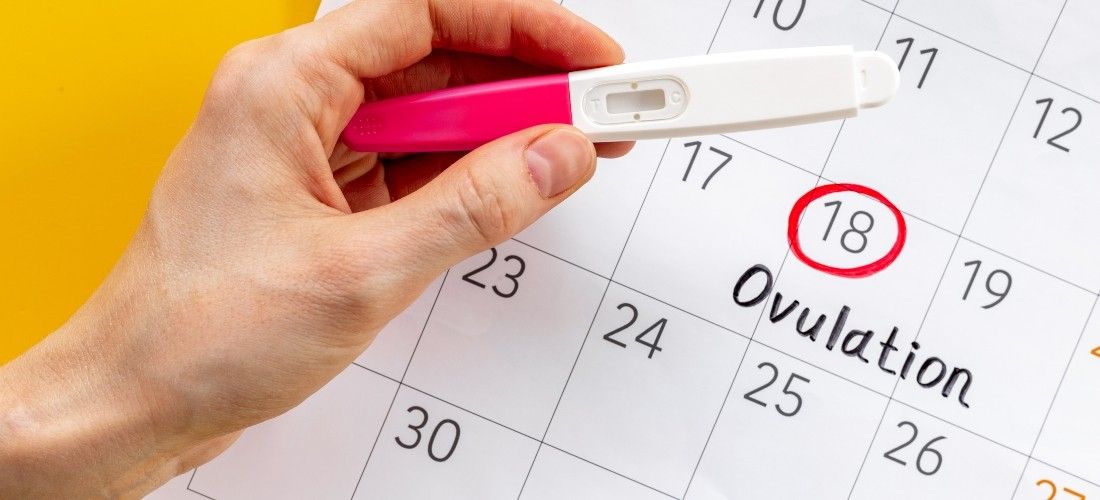
Understanding your fertility cycle is key when trying to conceive. Learning how to calculate ovulation days accurately helps you identify your most fertile window and improve your chances of pregnancy. While ovulation calculators are useful, combining them with other methods can give you more precise results. This guide explains everything you need to know step by step.
🧠 What Is Ovulation?
Ovulation is the process where an ovary releases an egg, usually once per menstrual cycle.
- The egg survives for about 12–24 hours
- Sperm can live up to 5 days
This makes timing essential when you want to calculate ovulation days accurately.
🔄 Understanding Your Menstrual Cycle
To calculate ovulation correctly, you must know your cycle:
- Day 1: First day of your period
- Cycle length: Typically 21–35 days
- Ovulation: Usually occurs 12–14 days before your next period
📊 Step-by-Step: Calculate Ovulation Days Accurately
✅ Step 1: Track Your Cycle Length
- Record your cycle for at least 2–3 months
- Calculate the average length
👉 Example: 28-day cycle
✅ Step 2: Subtract 14 Days
Ovulation generally occurs 14 days before your next period.
👉 Example:
28 – 14 = Day 14 (Ovulation day)
✅ Step 3: Identify Your Fertile Window
- 4–5 days before ovulation
- Ovulation day
👉 Example: Day 10–15
This is crucial to calculate ovulation days accurately.
✅ Step 4: Use an Ovulation Calculator
Input:
- Last period date
- Cycle length
It will estimate your fertile days quickly.
✅ Step 5: Track Body Signs
Your body gives signals during ovulation:
- Clear, stretchy cervical mucus
- Slight rise in basal body temperature
- Mild abdominal pain (ovulation pain)
These help you calculate ovulation days accurately.
🔍 Other Methods for Accuracy
🌡️ Basal Body Temperature (BBT)
- Measure daily in the morning
- Slight increase indicates ovulation
🧪 Ovulation Predictor Kits (OPKs)
- Detect hormone surge
- Predict ovulation within 24–36 hours
📱 Cycle Tracking Apps
- Store data
- Provide predictions over time
⚠️ Common Mistakes to Avoid
- Assuming all cycles are 28 days
- Not tracking regularly
- Ignoring irregular cycles
- Relying only on one method
Avoiding these improves your ability to calculate ovulation days accurately.
🌿 Factors That Affect Ovulation
- Stress
- Poor diet
- Lack of sleep
- Hormonal imbalance
- Illness
These can shift ovulation timing.
🥗 Lifestyle Tips for Better Fertility
- Eat a balanced diet
- Maintain a healthy weight
- Exercise regularly
- Avoid smoking and alcohol
- Stay hydrated
Final Thoughts
Learning to calculate ovulation days accurately is essential for anyone trying to conceive. While no method is 100% perfect, combining cycle tracking, ovulation calculators, and body signals can give you the best results. Stay consistent, be patient, and listen to your body.