
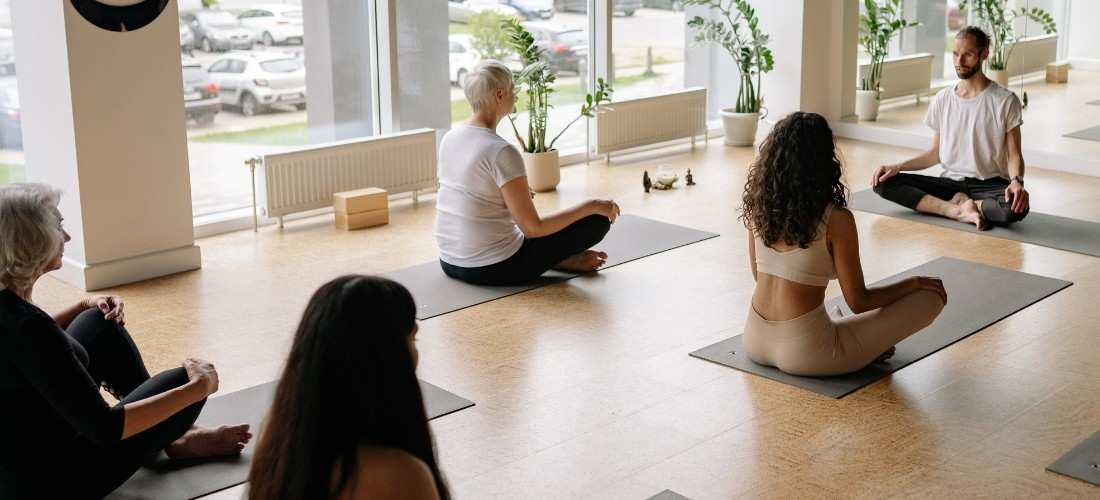
If you’ve been wondering how to start your yoga journey, you’re not alone. Yoga can feel overwhelming at first—with unfamiliar poses, breathing techniques, and styles—but the truth is, yoga is for everyone. Whether your goal is stress relief, flexibility, fitness, or mental clarity, starting yoga the right way makes the experience enjoyable and sustainable.
This step-by-step guide will walk you through everything you need to know to begin yoga with confidence, even if you’re a complete beginner.
- Why Start a Yoga Journey?
- Step 1: Set a Clear Intention for Your Yoga Journey
- Step 2: Choose the Right Yoga Style for Beginners
- Step 3: Create a Comfortable Yoga Space
- Step 4: Learn Basic Yoga Poses First
- Step 5: Focus on Breathing Techniques (Pranayama)
- Step 6: Start with Short, Consistent Sessions
- Step 7: Follow a Guided Yoga Routine
- Step 8: Listen to Your Body
- Common Mistakes to Avoid When Starting Yoga
- How Long Does It Take to See Results from Yoga?
- Final Thoughts
Why Start a Yoga Journey?
Yoga is more than physical exercise—it’s a holistic practice that benefits the body, mind, and soul.
Benefits of Yoga for Beginners
- Improves flexibility and strength
- Reduces stress and anxiety
- Enhances focus and mindfulness
- Boosts overall physical health
Understanding these benefits helps reinforce why learning how to start your yoga journey can be life-changing.
Step 1: Set a Clear Intention for Your Yoga Journey
Before rolling out your mat, clarify why you want to practice yoga.
Common Yoga Goals
- Stress and anxiety relief
- Weight management
- Improved flexibility
- Better posture and balance
Setting a clear intention gives direction to your practice and keeps you motivated as you start your yoga journey.
Step 2: Choose the Right Yoga Style for Beginners
Not all yoga styles are the same. Choosing a beginner-friendly style is essential when learning how to start your yoga journey.
Best Yoga Styles for Beginners
Hatha Yoga
- Slow-paced and easy to follow
- Focuses on basic poses and breathing
Vinyasa Yoga
- Gentle flow between poses
- Ideal for those who enjoy movement
Yin Yoga
- Deep stretches held for longer durations
- Great for relaxation and flexibility
Start with Hatha or gentle Vinyasa before exploring advanced styles.
Step 3: Create a Comfortable Yoga Space
You don’t need a studio to begin yoga. A small, quiet space at home works perfectly.
Essentials for Your Yoga Space
- Yoga mat with good grip
- Comfortable clothing
- Calm, clutter-free environment
A welcoming space makes it easier to stay consistent as you learn how to start your yoga journey.
Step 4: Learn Basic Yoga Poses First
Mastering foundational poses builds confidence and prevents injuries.
Essential Beginner Yoga Poses
Mountain Pose (Tadasana)
Improves posture and balance.
Downward-Facing Dog
Stretches the spine and strengthens muscles.
Child’s Pose
Promotes relaxation and stress relief.
Cat–Cow Pose
Enhances spinal flexibility and breath awareness.
These poses form the backbone of beginner routines and are ideal when starting your yoga journey.
Step 5: Focus on Breathing Techniques (Pranayama)
Breathing is a core part of yoga and should never be overlooked.
Beginner-Friendly Breathing Techniques
Deep Belly Breathing
- Inhale through the nose
- Expand the belly
- Exhale slowly
Equal Breathing
- Inhale for 4 counts
- Exhale for 4 counts
Breathing techniques enhance relaxation and help you understand how to start your yoga journey holistically.
Step 6: Start with Short, Consistent Sessions
Many beginners quit because they try to do too much too soon.
Recommended Yoga Schedule for Beginners
- 10–15 minutes per day
- 3–5 days a week
- Focus on gentle movements
Consistency matters more than duration when starting yoga.
Step 7: Follow a Guided Yoga Routine
Guided sessions help you maintain proper alignment and pace.
Options for Guided Practice
- Online beginner yoga videos
- Mobile yoga apps
- Local yoga classes
Guidance reduces confusion and builds confidence as you learn how to start your yoga journey safely.
Step 8: Listen to Your Body
Yoga is not about pushing limits—it’s about awareness.
Important Beginner Tips
- Avoid pain or discomfort
- Modify poses when needed
- Rest whenever necessary
Respecting your body ensures long-term success in your yoga journey.
Common Mistakes to Avoid When Starting Yoga
Comparing Yourself to Others
Yoga is a personal practice.
Skipping Warm-Ups
Warming up prevents injuries.
Being Inconsistent
Irregular practice slows progress.
Avoiding these mistakes makes starting yoga smoother and more enjoyable.
How Long Does It Take to See Results from Yoga?
What to Expect
- Mental calm: 1–2 weeks
- Flexibility improvements: 3–4 weeks
- Strength and balance: 1–2 months
Patience is key when learning how to start your yoga journey and seeing lasting benefits.
Final Thoughts
Understanding how to start your yoga journey doesn’t require perfection—just willingness and consistency. Begin slowly, focus on basic poses, breathe deeply, and listen to your body. Yoga is not a destination but a lifelong practice that evolves with you.
By following this step-by-step guide, you’ll build a strong foundation for a healthy, balanced, and mindful yoga lifestyle.