
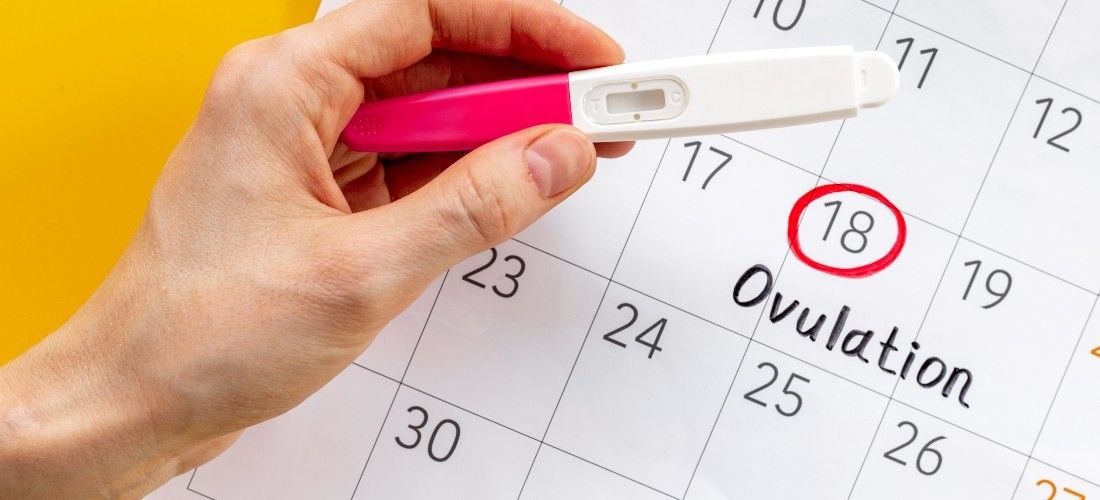
Planning a pregnancy naturally becomes easier when you understand your body’s fertility cycle. An ovulation calculator is one of the most effective tools to identify your most fertile days and improve your chances of conception. By learning how an ovulation calculator works and how to use it correctly, couples can take a more informed and stress-free approach to pregnancy planning.
In this guide, we’ll explain how an ovulation calculator helps predict ovulation, how to use it step by step, and how to maximize your chances of getting pregnant naturally.
- What Is an Ovulation Calculator?
- Why Use an Ovulation Calculator for Pregnancy Planning?
- How to Use an Ovulation Calculator Step by Step
- How Accurate Is an Ovulation Calculator?
- Signs That Confirm Ovulation
- Ovulation Calculator vs Ovulation Test Kits
- Tips to Increase Pregnancy Chances Naturally
- When Should You See a Doctor?
- Final Thoughts: Using an Ovulation Calculator for Natural Pregnancy Planning
What Is an Ovulation Calculator?
Understanding the Basics of an Ovulation Calculator
An ovulation calculator is a simple tool that predicts your fertile window based on your menstrual cycle length and last period date. It estimates when your ovaries release an egg (ovulation), which is the most fertile time for conception.
How an Ovulation Calculator Works
Ovulation typically occurs:
- Around 14 days before your next period
- During the middle of your menstrual cycle
An ovulation calculator uses this information to highlight:
- Ovulation day
- Fertile window (5 days before ovulation + ovulation day)
Why Use an Ovulation Calculator for Pregnancy Planning?
Benefits of Using an Ovulation Calculator
Using an ovulation calculator offers several advantages:
- Helps identify fertile days accurately
- Increases chances of natural conception
- Reduces guesswork and stress
- Supports better timing of intercourse
- Useful for women with regular cycles
When planning pregnancy naturally, an ovulation calculator becomes an essential fertility tool.
How to Use an Ovulation Calculator Step by Step
Step 1: Track Your Menstrual Cycle
To use an ovulation calculator, you need:
- The first day of your last menstrual period
- Your average cycle length (e.g., 28, 30, or 32 days)
Tip: Track at least 2–3 cycles for better accuracy.
Step 2: Enter Your Details into the Ovulation Calculator
Most ovulation calculators ask for:
- Start date of last period
- Average cycle length
Once entered, the calculator predicts:
- Ovulation date
- Fertile window
Step 3: Identify Your Fertile Window
The fertile window usually includes:
- 5 days before ovulation
- Ovulation day
This is the most important time when using an ovulation calculator to plan pregnancy.
Step 4: Time Intercourse Correctly
Best Timing for Conception
- Have intercourse every 1–2 days during fertile days
- Focus especially on 2 days before ovulation and ovulation day
Proper timing guided by an ovulation calculator significantly improves conception chances.
How Accurate Is an Ovulation Calculator?
Factors That Affect Accuracy
An ovulation calculator works best when:
- Cycles are regular
- No hormonal disorders are present
Accuracy may decrease if:
- Periods are irregular
- Stress or illness affects ovulation
- Conditions like PCOS exist
To improve accuracy, combine your ovulation calculator with other fertility signs.
Signs That Confirm Ovulation
Natural Signs to Watch Alongside an Ovulation Calculator
1. Cervical Mucus Changes
- Clear, stretchy, egg-white-like mucus indicates fertility
2. Basal Body Temperature (BBT)
- Slight temperature rise after ovulation
3. Mild Ovulation Pain
- Some women feel slight pain on one side of the abdomen
These signs help validate predictions from an ovulation calculator.
Ovulation Calculator vs Ovulation Test Kits
Which Is Better?
| Feature | Ovulation Calculator | Ovulation Test Kit |
|---|---|---|
| Cost | Free | Paid |
| Ease of use | Very easy | Moderate |
| Accuracy | Good | Very high |
| Hormone detection | ❌ | ✅ |
For natural planning, starting with an ovulation calculator is ideal.
Tips to Increase Pregnancy Chances Naturally
Maximize Results from an Ovulation Calculator
- Maintain a healthy weight
- Reduce stress
- Eat fertility-friendly foods
- Avoid smoking and alcohol
- Sleep well
- Track cycles consistently
Using an ovulation calculator along with a healthy lifestyle improves fertility naturally.
When Should You See a Doctor?
Know When to Seek Help
Consult a healthcare provider if:
- Trying for 12 months without success (under 35)
- Trying for 6 months (over 35)
- Cycles are highly irregular
- Severe period pain or hormonal symptoms exist
An ovulation calculator is helpful, but medical guidance is important when challenges arise.
Final Thoughts: Using an Ovulation Calculator for Natural Pregnancy Planning
An ovulation calculator is a simple, effective, and natural way to understand your fertility cycle. While it may not guarantee pregnancy, it significantly improves your chances by helping you identify the best time to conceive.
When used correctly and consistently, an ovulation calculator empowers couples to plan pregnancy naturally, confidently, and stress-free.
FAQs About Ovulation Calculator
❓ What is the best ovulation calculator for pregnancy?
An ovulation calculator that uses cycle length and last period date is best for women with regular cycles. Accuracy improves when combined with ovulation symptoms.
❓ How accurate is an ovulation calculator?
An ovulation calculator is about 70–80% accurate for women with regular menstrual cycles. Accuracy may vary with stress, illness, or hormonal imbalance.
❓ Can I get pregnant using an ovulation calculator?
Yes, many women conceive naturally by timing intercourse during fertile days identified by an ovulation calculator.
❓ How many days after ovulation can pregnancy occur?
Pregnancy usually occurs if sperm meets the egg within 24 hours after ovulation. Sperm can survive up to 5 days.
❓ Is an ovulation calculator better than ovulation kits?
An ovulation calculator is free and easy, while ovulation kits detect hormones and are more precise. Using both gives the best results.