
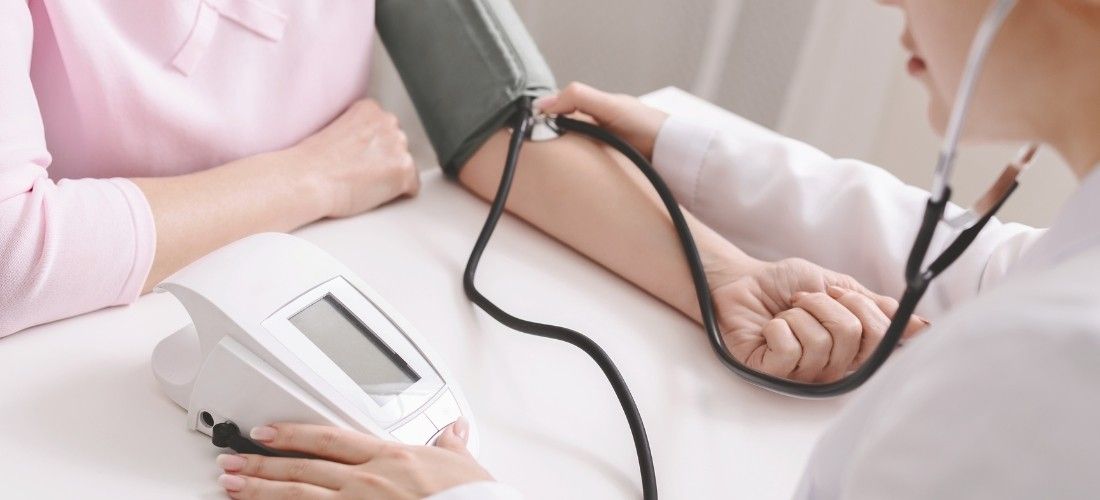
High blood pressure, also known as hypertension, is a common health concern that can increase the risk of heart disease and stroke. The good news is that there are many natural ways to lower blood pressure without depending only on medications. By making simple lifestyle changes, you can improve heart health, reduce stress, and maintain healthy blood pressure levels naturally.
In this guide, we’ll explore proven and effective strategies to help you control blood pressure and protect your overall well-being.
- Why Managing Blood Pressure Is Important
- 1. Follow a Heart-Healthy Diet
- 2. Maintain a Healthy Weight
- 3. Exercise Regularly
- 4. Reduce Stress and Anxiety
- 5. Improve Sleep Quality
- 6. Limit Alcohol and Quit Smoking
- 7. Increase Potassium Intake
- 8. Stay Hydrated
- 9. Try Natural Remedies (Consult a Doctor)
- 10. Monitor Your Blood Pressure Regularly
- Common Mistakes to Avoid
- When to Seek Medical Help
- Final Thoughts
Why Managing Blood Pressure Is Important
High blood pressure often has no symptoms, but it silently damages blood vessels and organs over time. If not controlled, it can lead to:
- Heart attack
- Stroke
- Kidney disease
- Vision problems
- Memory loss
That’s why focusing on natural ways to lower blood pressure is essential for long-term health.
1. Follow a Heart-Healthy Diet
One of the most powerful natural strategies is improving your diet.
Foods That Help Lower Blood Pressure:
- Leafy green vegetables
- Bananas (rich in potassium)
- Beetroot and carrots
- Whole grains
- Nuts and seeds
- Low-fat dairy
- Garlic and onions
These foods provide nutrients that relax blood vessels and improve circulation.
Reduce:
- Salt and sodium
- Processed foods
- Sugary drinks
- Refined carbohydrates
Lowering sodium intake can significantly reduce blood pressure.
2. Maintain a Healthy Weight
Excess body weight puts extra pressure on your heart and blood vessels. Losing even a small amount of weight can improve blood pressure levels.
Tips:
- Eat balanced meals
- Control portion sizes
- Avoid emotional eating
- Track your progress
Weight management is one of the most effective natural ways to lower blood pressure.
3. Exercise Regularly
Physical activity strengthens the heart and improves blood flow.
Best Exercises:
- Walking
- Swimming
- Cycling
- Yoga
- Light strength training
Aim for at least 30 minutes of exercise most days of the week.
4. Reduce Stress and Anxiety
Chronic stress increases cortisol and raises blood pressure.
Stress Management Techniques:
- Deep breathing
- Meditation
- Mindfulness
- Journaling
- Spending time in nature
Regular relaxation improves emotional and heart health.
5. Improve Sleep Quality
Poor sleep is linked to high blood pressure and heart disease.
Sleep Tips:
- Maintain a regular sleep routine
- Avoid screens before bed
- Reduce caffeine intake
- Create a calm sleep environment
Getting 7–8 hours of sleep supports healthy blood pressure.
6. Limit Alcohol and Quit Smoking
Excess alcohol and smoking damage blood vessels and increase blood pressure.
Healthy Habits:
- Limit alcohol intake
- Avoid tobacco
- Seek professional support if needed
These changes improve heart health significantly.
7. Increase Potassium Intake
Potassium helps balance sodium and relax blood vessels.
Potassium-Rich Foods:
- Bananas
- Spinach
- Sweet potatoes
- Coconut water
- Beans and lentils
Including these foods is among the most effective natural ways to lower blood pressure.
8. Stay Hydrated
Dehydration can increase blood pressure and strain the heart.
Tips:
- Drink enough water daily
- Avoid sugary beverages
- Add lemon or herbal teas
Proper hydration supports circulation.
9. Try Natural Remedies (Consult a Doctor)
Some natural options that may support blood pressure control:
- Garlic supplements
- Omega-3 fatty acids
- Magnesium
- Hibiscus tea
Always consult a healthcare professional before starting supplements.
10. Monitor Your Blood Pressure Regularly
Tracking your blood pressure helps you understand your progress and identify triggers.
- Check at home
- Maintain a health record
- Visit your doctor regularly
Common Mistakes to Avoid
- Ignoring high readings
- Eating hidden sodium
- Lack of physical activity
- Poor sleep
- High stress levels
Avoiding these mistakes improves long-term results.
When to Seek Medical Help
Natural methods are effective, but medical support is necessary if:
- Blood pressure remains high
- You have dizziness or chest pain
- You experience frequent headaches
- There are existing heart problems
Early treatment prevents complications.
Final Thoughts
There are many natural ways to lower blood pressure that can improve your quality of life and reduce health risks. A healthy diet, regular exercise, stress management, and better sleep are powerful tools for maintaining heart health.
Start with small lifestyle changes today, and stay consistent. Over time, these habits can lead to lasting improvements and better overall well-being.