
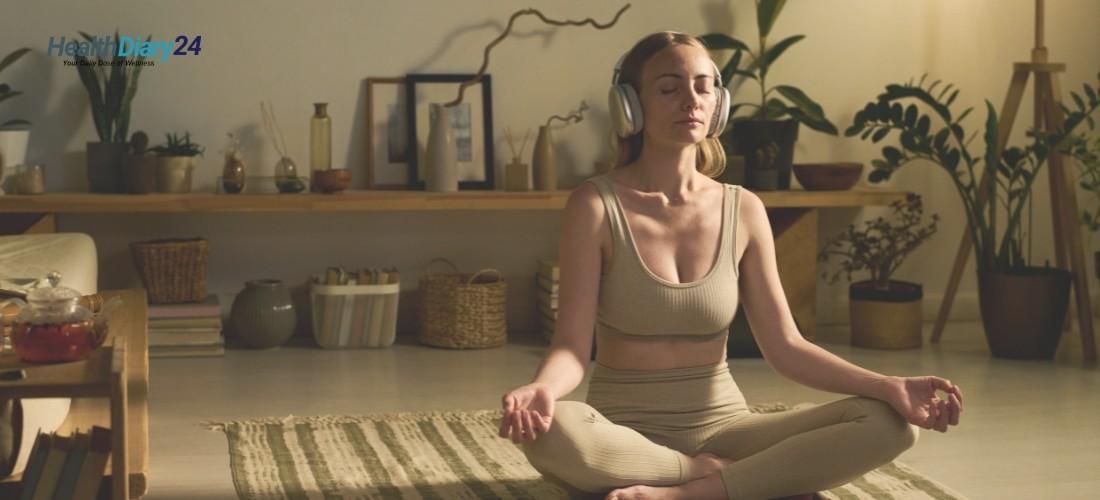
In today’s fast-paced world, stress seems like an unavoidable part of life. Whether it’s work pressure, personal challenges, or everyday tasks, stress can take a toll on your mental and physical well-being. But the good news is, you don’t have to feel overwhelmed. There are simple and effective ways to beat stress and feel more calm each day. In this blog, we’ll explore easy-to-implement strategies that can help you manage stress and bring more peace into your daily routine.
Understand the Source of Your Stress
Before diving into stress-relieving tips, it’s important to understand what triggers your stress. Is it a looming deadline, family obligations, or health concerns? By identifying the source, you can start to take control and implement strategies to manage it. Sometimes, acknowledging stress is the first step toward feeling more in control and less anxious.
Simple Tips to Beat Stress and Feel More Calm
Practice Deep Breathing
One of the simplest and most effective ways to calm your mind is through deep breathing exercises. When you’re stressed, your body enters “fight or flight” mode, and deep breathing can help activate the relaxation response, reducing stress.
How to do it:
- Find a quiet space and sit comfortably.
- Breathe in deeply through your nose for 4 seconds, hold for 4 seconds, then exhale slowly through your mouth for 6 seconds.
- Repeat this process for 5-10 minutes.
Deep breathing helps reduce anxiety, improves oxygen flow to the brain, and can leave you feeling more centered.
Take Short Breaks Throughout the Day
Sometimes, stress builds up simply because we don’t take the time to recharge. Whether you’re working from home, at the office, or running errands, it’s crucial to take short breaks to step away from your tasks.
How to do it:
- Set a timer every 60-90 minutes to remind yourself to take a break.
- Use this time to stretch, walk around, or grab a drink of water.
- Even a 5-minute break can help clear your mind and reduce stress.
Taking breaks can help you feel refreshed, improve focus, and prevent burnout.
Engage in Physical Activity
Exercise is a powerful tool when it comes to beating stress and feeling more calm. Physical activity triggers the release of endorphins, which are chemicals in the brain that act as natural mood lifters.
How to do it:
- Find an exercise you enjoy, whether it’s yoga, walking, swimming, or dancing.
- Aim for at least 30 minutes of activity a few times a week to reduce stress and improve your overall well-being.
Even small amounts of exercise can have a positive impact on your stress levels.
Prioritize Sleep
Lack of sleep can make stress feel even more intense. When you’re well-rested, your mind is better equipped to handle daily challenges with a calm, clear approach.
How to do it:
- Set a regular bedtime and stick to it, aiming for 7-9 hours of sleep per night.
- Avoid screens for at least an hour before bed to improve sleep quality.
- Create a bedtime routine that helps signal to your body that it’s time to wind down.
Getting enough sleep not only helps reduce stress but also boosts your mood and energy levels.
Healthy Habits for Long-Term Stress Management
Practice Mindfulness Meditation
Mindfulness is the practice of staying present and fully engaged with the current moment. This can be incredibly helpful when it comes to managing stress and finding inner calm.
How to do it:
- Start with 5-10 minutes of guided meditation each day.
- Focus on your breath and bring your attention back to the present whenever your mind starts to wander.
- Apps like Headspace or Calm can guide you through mindfulness exercises.
With consistent practice, mindfulness meditation can help you become less reactive to stress and more aware of your thoughts and feelings.
Set Realistic Goals
Sometimes, stress arises from feeling overwhelmed by the sheer volume of tasks we need to accomplish. By setting clear and achievable goals, you can reduce the pressure and focus on one task at a time.
How to do it:
- Break down big projects into smaller, manageable tasks.
- Prioritize your tasks and tackle the most important ones first.
- Celebrate small wins to stay motivated.
Setting realistic goals can help you stay organized, reduce stress, and boost your confidence.
Cultivate Gratitude
Focusing on the positive aspects of your life can help shift your mindset from stress to calm. Practicing gratitude allows you to appreciate the good things, even during tough times.
How to do it:
- Each day, write down three things you’re grateful for.
- Reflect on positive experiences, relationships, and accomplishments.
- Consider keeping a gratitude journal as a reminder of the things that bring you joy.
Gratitude is a simple yet powerful tool for improving your mental health and reducing stress.
When to Seek Professional Help
While these tips can help manage everyday stress, there may be times when stress becomes overwhelming, and self-care alone isn’t enough. If you’re experiencing persistent feelings of anxiety or depression, it’s important to seek help from a mental health professional. Therapy, counseling, or medication can be valuable tools for managing chronic stress and improving your mental well-being.
Conclusion
Incorporating these simple tips into your daily routine can make a significant difference in how you handle stress. From deep breathing and physical activity to mindfulness and gratitude, these practices are easy to integrate into your life and can help you beat stress and feel more calm each day. Start small, be consistent, and remember that stress management is an ongoing process. By prioritizing self-care, you’ll be able to approach life’s challenges with greater calm and resilience.