
If you’re looking to improve mobility and reduce stiffness, these Top Beginner Poses for Better Flexibility will help you get started safely and effectively. Flexibility is essential for overall fitness, posture, and injury prevention. Whether you sit for long hours or are starting your fitness journey, practicing simple stretching poses regularly can significantly enhance your range of motion and muscle recovery.
In this guide, we’ll explore easy, beginner-friendly poses that gently stretch tight muscles and improve flexibility without overwhelming your body.
Why Flexibility Is Important for Beginners
Flexibility isn’t just about touching your toes—it supports overall health and performance.
Benefits of Improving Flexibility
- Reduces muscle tension
- Improves posture
- Enhances athletic performance
- Prevents injuries
- Promotes better circulation
Practicing the Top Beginner Poses for Better Flexibility consistently can lead to noticeable improvements within a few weeks.
How Often Should Beginners Stretch?
Recommended Routine
- 3–5 days per week
- 10–20 minutes per session
- Hold each stretch for 20–30 seconds
Consistency matters more than intensity when improving flexibility.
Top Beginner Poses for Better Flexibility
Below are simple poses ideal for beginners.
1. Forward Fold (Standing Forward Bend)
Why It’s Effective
This pose stretches the hamstrings, calves, and lower back.
How to Do It
- Stand with feet hip-width apart
- Slowly bend forward from the hips
- Let your hands reach toward the floor
Flexibility Benefits
- Releases tension in the spine
- Improves hamstring flexibility
Forward Fold is one of the Top Beginner Poses for Better Flexibility because it targets commonly tight areas.
2. Downward-Facing Dog
Full-Body Stretch for Beginners
This classic pose stretches multiple muscle groups.
Targets
- Hamstrings
- Calves
- Shoulders
- Back
Beginner Tip
Keep knees slightly bent if hamstrings feel tight.
Downward-Facing Dog is a foundational pose in the Top Beginner Poses for Better Flexibility routine.
3. Child’s Pose
Gentle Stretch for Relaxation
Child’s Pose stretches the lower back and hips while calming the mind.
Benefits
- Reduces lower back stiffness
- Relieves hip tension
- Promotes relaxation
It’s perfect for beginners who need a low-impact stretch.
4. Cat–Cow Stretch
Improves Spinal Mobility
This gentle flow improves flexibility in the spine.
How to Perform
- Start on hands and knees
- Inhale, arch your back (Cow)
- Exhale, round your spine (Cat)
Cat–Cow enhances posture and spinal flexibility.
5. Seated Forward Bend
Deep Hamstring Stretch
This pose increases flexibility in the legs and lower back.
Beginner Advice
- Keep knees slightly bent
- Focus on lengthening the spine
It’s a staple in the Top Beginner Poses for Better Flexibility list.
6. Butterfly Pose
Opens Hips and Inner Thighs
Butterfly Pose improves lower-body flexibility.
Steps
- Sit upright
- Bring soles of feet together
- Gently press knees toward the floor
Benefits
- Stretches inner thighs
- Improves hip mobility
7. Low Lunge Stretch
Targets Hip Flexors
Sitting for long periods tightens hip flexors.
Why It Works
- Opens hips
- Improves leg flexibility
- Enhances balance
Low Lunge is excellent for counteracting sedentary lifestyles.
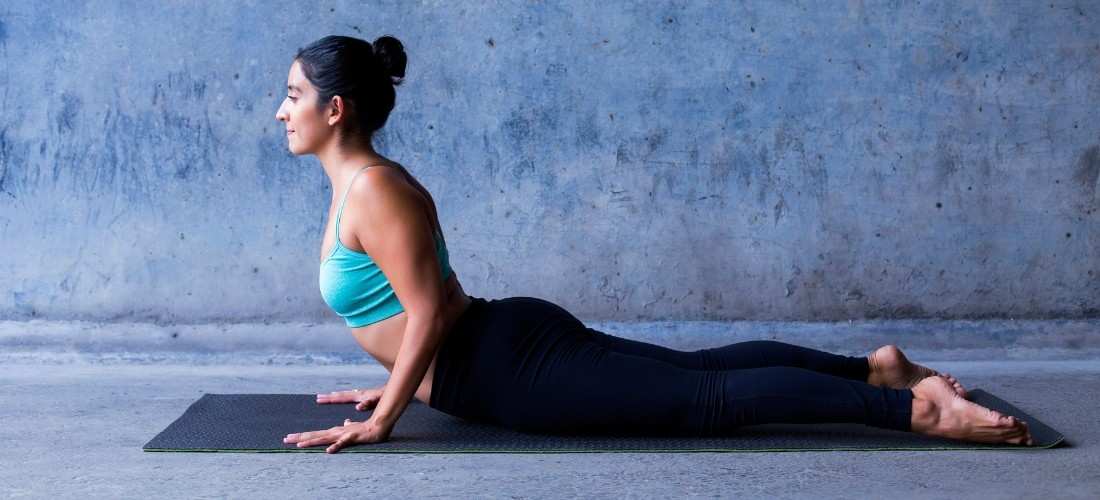
8. Cobra Pose
Improves Back Flexibility
Cobra Pose stretches the chest and strengthens the spine.
How It Helps
- Reduces back stiffness
- Improves posture
- Opens the chest
This pose complements other stretches in the Top Beginner Poses for Better Flexibility routine.
Tips for Safe Flexibility Training
1. Warm Up First
Light movement increases blood flow.
2. Avoid Bouncing
Hold stretches steadily.
3. Breathe Deeply
Proper breathing enhances muscle relaxation.
4. Don’t Force the Stretch
Mild discomfort is okay, pain is not.
How Long Does It Take to Improve Flexibility?
Realistic Expectations
- Noticeable improvement: 2–3 weeks
- Significant flexibility gain: 6–8 weeks
- Long-term mobility: 3+ months
Regular practice of the Top Beginner Poses for Better Flexibility will gradually increase your range of motion.
Final Thoughts
Improving flexibility doesn’t require advanced yoga skills or extreme stretching routines. These Top Beginner Poses for Better Flexibility are simple, safe, and highly effective for anyone starting out. By practicing consistently, focusing on proper breathing, and listening to your body, you can enhance mobility, reduce stiffness, and support overall physical wellness.
Start slowly, stay consistent, and enjoy the journey toward a more flexible and healthier body.