
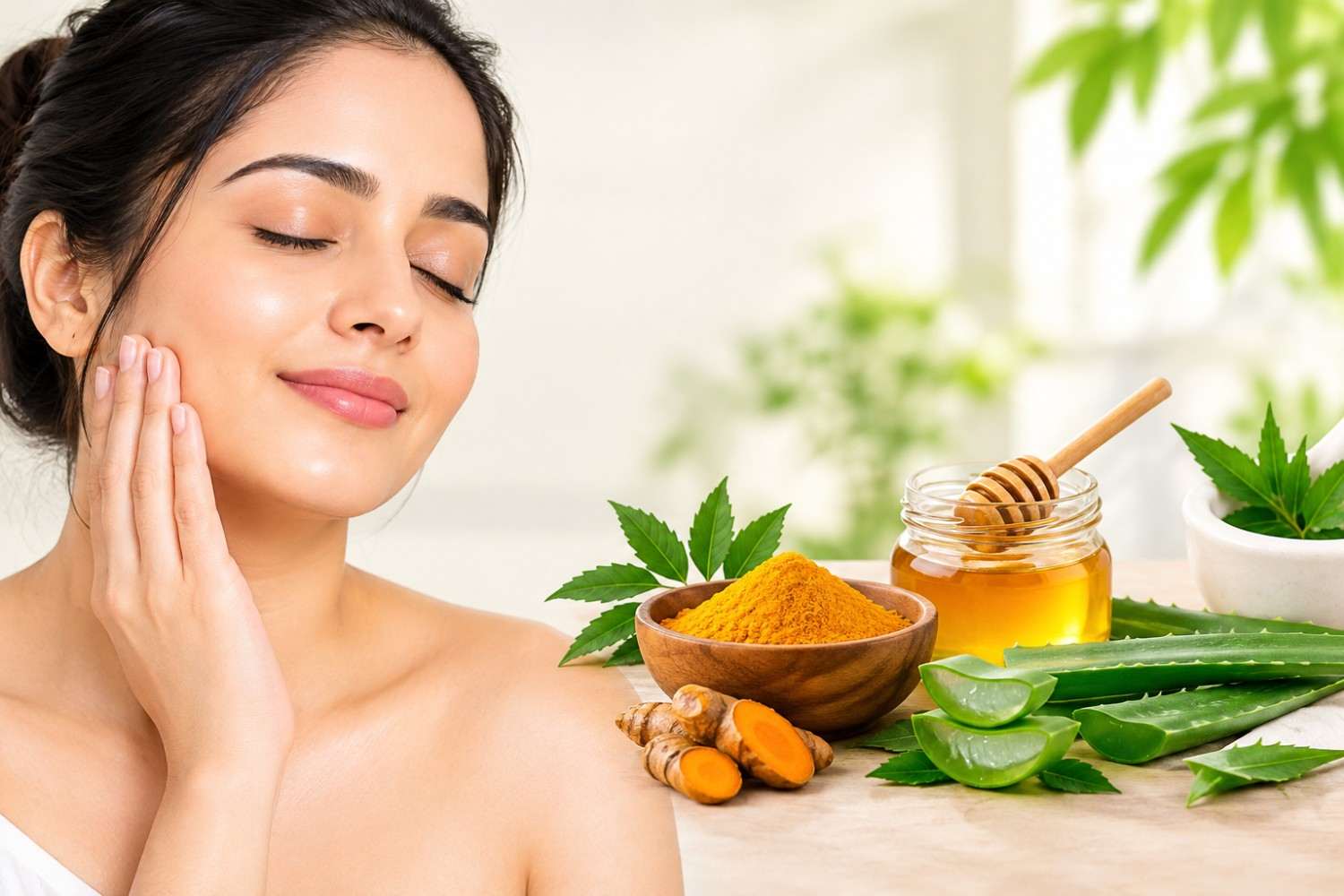
Glowing skin does not always require an expensive skincare routine or a shelf full of cosmetic products. Ayurveda, the traditional Indian system of wellness, has long emphasized a holistic approach to skin health that includes daily habits, nutrition, sleep, stress management, and plant-based ingredients.
Today, many people are exploring Ayurveda secrets for glowing skin at home because they want simple and affordable ways to support healthy-looking skin. Ingredients such as turmeric, aloe vera, neem, honey, and certain botanical oils are commonly associated with traditional skincare practices.
However, natural does not automatically mean risk-free. Scientific evidence for many Ayurvedic skincare claims is still developing, and homemade preparations should be used carefully. A simple routine that protects the skin barrier and includes sun protection can be more useful than using numerous DIY remedies.
What Does Ayurveda Say About Glowing Skin?
Ayurvedic traditions generally view skin health as part of overall well-being rather than something that can be addressed only from the outside.
Traditional approaches may focus on:
- Balanced nutrition
- Adequate hydration
- Regular sleep
- Stress management
- Gentle cleansing
- Plant-based ingredients
- Personal hygiene
- Protection from environmental factors
- Maintaining a balanced lifestyle
This holistic perspective is one reason Ayurvedic skincare remains popular around the world.
Modern research is also investigating several traditional ingredients used in Ayurveda. Turmeric and its active compound curcumin, for example, have demonstrated antioxidant and anti-inflammatory properties in laboratory and clinical research, although more high-quality research is needed before making strong claims about its cosmetic benefits.
1. Turmeric: A Traditional Skincare Ingredient
Turmeric is one of the most recognizable ingredients associated with traditional Indian skincare.
It contains curcumin and other compounds that have been studied for antioxidant and anti-inflammatory properties. Research on turmeric and skin health has shown promising findings, but the evidence is still not strong enough to consider turmeric a universal treatment for skin conditions.
How to Use Turmeric at Home
If you want to try a simple traditional face mask, keep the recipe gentle.
Simple turmeric mask:
- 1 teaspoon plain yogurt or aloe vera gel
- A very small pinch of turmeric
- Mix thoroughly
- Apply a thin layer to clean skin
- Leave it on for a short period
- Rinse gently with lukewarm water
Avoid using large amounts of turmeric because it can temporarily stain the skin.
Important Tip
Always perform a patch test before applying a new homemade mixture to your face. Stop using it if you experience burning, itching, swelling, redness, or irritation.
2. Aloe Vera for a Soothing Skincare Routine
Aloe vera is another popular natural ingredient used in home skincare.
Aloe-based products are commonly used to provide a soothing and moisturizing feel, particularly when the skin feels dry or uncomfortable.
For a simple routine, choose a clean aloe vera gel intended for topical use rather than experimenting with unknown preparations.
How to Use Aloe Vera
- Cleanse your face gently.
- Apply a small amount of aloe vera gel.
- Allow it to absorb.
- Follow with a moisturizer if your skin needs additional hydration.
If you are using fresh aloe from a plant, be cautious because the plant contains different components, and some people may experience irritation.
3. Neem and Traditional Ayurvedic Skincare
Neem has a long history of use in traditional Indian wellness practices.
Neem leaves and extracts are commonly associated with cleansing and skin-supporting properties. However, traditional use should not be confused with proven treatment for acne, eczema, infections, or other skin diseases.
If you want to incorporate neem into your skincare routine, commercially formulated products from reputable manufacturers may be preferable to highly concentrated homemade preparations.
4. Honey for Soft and Hydrated-Looking Skin
Honey has traditionally been used in various home skincare practices.
Its texture makes it useful as a simple moisturizing-style ingredient, while certain types of honey have also been studied for antimicrobial and wound-care applications.
For cosmetic use, you can apply a thin layer of plain honey for a short period and rinse thoroughly.
Honey Skincare Safety
Avoid applying honey to broken or irritated skin unless recommended by a healthcare professional. People with allergies to honey or bee-related products should also avoid it.
5. Keep Your Skin Hydrated
One of the simplest Ayurvedic-inspired skincare habits is maintaining adequate hydration.
Dehydrated skin may appear dry, dull, or tight. Drinking enough fluids throughout the day and using an appropriate moisturizer can help support the skin barrier.
However, drinking excessive amounts of water will not automatically make your skin glow. Hydration should be part of an overall healthy lifestyle rather than a standalone beauty treatment.
6. Eat for Healthy-Looking Skin
Beautiful skin starts with more than topical skincare.
A balanced diet provides nutrients that support normal skin function.
Include a variety of:
- Fresh fruits
- Vegetables
- Whole grains
- Legumes
- Nuts and seeds
- Healthy fats
- Protein-rich foods
Colorful fruits and vegetables can provide antioxidants and other nutrients, while healthy fats and adequate protein contribute to overall nutritional health.
Instead of focusing on one “miracle food,” aim for variety and balance.
7. Get Enough Quality Sleep
Sleep is often overlooked when people search for natural ways to improve their appearance.
Poor sleep can contribute to a tired-looking appearance and may affect overall well-being. Creating a consistent sleep schedule can support both physical and mental wellness.
Try to:
- Maintain a regular bedtime
- Reduce unnecessary screen time before bed
- Keep your bedroom comfortable
- Avoid excessive caffeine late in the day
- Create a relaxing nighttime routine
Your skincare routine should not replace good sleep.
8. Manage Stress Naturally
Stress can affect many aspects of health, including the way your skin looks and feels.
Ayurveda places considerable emphasis on maintaining balance between the body and mind. Modern wellness practices such as meditation, yoga, breathing exercises, and regular physical activity can complement a healthy skincare routine.
Even 10–15 minutes of relaxation each day may help you establish a healthier daily rhythm.
9. Protect Your Skin From the Sun
This is one of the most important steps for maintaining healthy-looking skin.
Regular ultraviolet exposure can contribute to premature skin aging, pigmentation, and other forms of skin damage.
A natural skincare routine should therefore not mean skipping sunscreen.
Choose a Proper Sunscreen
Use a broad-spectrum sunscreen with an appropriate SPF for your needs and apply it according to the product instructions.
Do not rely on homemade sunscreen recipes. Homemade sunscreens do not provide reliably tested UV protection, and recent dermatology literature specifically cautions against unvalidated homemade sunscreen formulations.
You can combine an Ayurvedic-inspired skincare routine with evidence-based sun protection.
10. Try an Ayurvedic-Inspired Morning Routine
You do not need ten different products to create a simple routine.
Morning
Step 1: Gently cleanse your face.
Step 2: Apply a suitable moisturizer.
Step 3: Apply broad-spectrum sunscreen.
Step 4: Drink water and eat a balanced breakfast.
Step 5: Avoid unnecessary touching or rubbing of your face.
This simple routine can be more sustainable than constantly changing products.
11. Create a Simple Ayurvedic-Inspired Night Routine
Your evening routine can be equally simple.
Night
Step 1: Remove makeup and sunscreen.
Step 2: Gently cleanse the skin.
Step 3: Apply a moisturizer suitable for your skin type.
Step 4: If you use an Ayurvedic or botanical product, introduce only one new product at a time.
Step 5: Get adequate sleep.
Consistency is generally more valuable than using multiple remedies at once.
12. Choose Ingredients According to Your Skin Type
Not every natural ingredient is suitable for every person.
For Dry Skin
Consider focusing on:
- Gentle cleansers
- Moisturizers
- Aloe vera-based products
- Suitable facial oils
- Adequate dietary fats
Avoid excessive cleansing and harsh scrubbing.
For Oily Skin
Focus on:
- Gentle cleansing
- Lightweight moisturizers
- Non-comedogenic skincare products
- Regular sunscreen use
Avoid aggressively drying the skin because excessive irritation can make your routine harder to maintain.
For Sensitive Skin
Keep your routine minimal.
Introduce one product at a time and patch test new ingredients. Avoid highly concentrated essential oils, strong DIY mixtures, and harsh exfoliation.
For Combination Skin
Use a balanced routine and avoid treating your entire face according to the needs of only one area.
13. Ayurvedic Skincare Ingredients You May See
Several traditional ingredients appear frequently in Ayurvedic and natural skincare products.
Turmeric
Traditionally used for its bright yellow color and various wellness applications. Curcumin has been investigated for antioxidant and anti-inflammatory activity.
Aloe Vera
Commonly used in topical skincare for its soothing and moisturizing feel.
Neem
Traditionally associated with cleansing and skin wellness.
Sandalwood
A traditional ingredient used in Indian beauty practices and fragrances.
Saffron
Historically valued in Indian and Middle Eastern beauty traditions and increasingly used in cosmetic formulations.
Tulsi
Also known as holy basil, tulsi has a long history in Ayurveda and is being investigated for various biological properties.
Remember that traditional use does not automatically establish that an ingredient can treat a specific skin condition.
14. What to Avoid in DIY Ayurvedic Skincare
The popularity of natural skincare has also created many potentially irritating DIY recipes online.
Be cautious with:
- Undiluted essential oils
- Concentrated lemon juice
- Harsh scrubs
- Baking soda
- Strong acids
- Unknown herbal powders
- Unverified skin-lightening mixtures
- Homemade sunscreen
- Products containing undisclosed metals or minerals
Lemon juice, for example, can irritate skin and may increase sensitivity when exposed to sunlight.
“Natural” is not the same thing as “safe for everyone.”
15. Be Careful With Ayurvedic Products Taken Internally
Ayurveda includes both topical and internal preparations. These should not automatically be treated as interchangeable with everyday cosmetic skincare.
Some Ayurvedic products have been found to contain potentially harmful levels of heavy metals such as lead, mercury, or arsenic. Regulatory and health agencies have issued warnings about certain unapproved products.
If you are considering taking an Ayurvedic supplement or medicinal preparation, choose reputable, appropriately tested products and discuss them with a qualified healthcare professional, particularly if you take medications or have an existing health condition.
16. How Long Does It Take to See Glowing Skin?
There is no guaranteed timeline for achieving “glowing skin.”
Your skin’s appearance depends on many factors, including:
- Age
- Genetics
- Skin type
- Sun exposure
- Sleep
- Diet
- Stress
- Hormonal changes
- Skincare habits
- Existing skin conditions
Rather than looking for overnight results, focus on building a consistent routine.
Healthy-looking skin is usually the result of repeated good habits rather than a single face mask.
17. A Simple 7-Day Ayurvedic-Inspired Skin Routine
Here is an easy routine you can adapt to your lifestyle.
Day 1: Start Simple
Cleanse gently, moisturize, and apply sunscreen during the day.
Day 2: Focus on Hydration
Drink adequate fluids and include fruits and vegetables in your meals.
Day 3: Try a Gentle Ingredient
If your skin tolerates it, introduce one mild botanical product after performing a patch test.
Day 4: Prioritize Sleep
Aim for a consistent bedtime and reduce late-night screen use.
Day 5: Relax
Spend a few minutes practicing meditation, breathing exercises, or gentle yoga.
Day 6: Protect Your Skin
Pay extra attention to sun protection and avoid unnecessary sun exposure.
Day 7: Review Your Routine
Check how your skin feels. If a product caused irritation, discontinue it rather than adding another product.
18. Common Mistakes People Make With Natural Skincare
Using Too Many Ingredients
Combining turmeric, lemon, honey, aloe, essential oils, and multiple other ingredients makes it difficult to know what is helping or irritating your skin.
Scrubbing Too Hard
Aggressive physical exfoliation can irritate the skin barrier.
Expecting Instant Results
Natural skincare is not a magic solution. Healthy-looking skin generally requires consistency.
Ignoring Sunscreen
No amount of turmeric, aloe, or facial oil can replace reliable sun protection.
Assuming Natural Means Safe
Plant-based ingredients can still cause allergic reactions, irritation, or interactions with other products.
Frequently Asked Questions
What are the best Ayurveda secrets for glowing skin at home?
The most practical approach is to combine gentle skincare with healthy lifestyle habits. This can include a balanced diet, adequate hydration, good sleep, stress management, gentle cleansing, moisturizing, and proper sun protection.
Can turmeric make your skin glow?
Turmeric contains curcumin, which has been studied for antioxidant and anti-inflammatory effects. However, evidence for using turmeric specifically to create glowing skin remains limited. If you use turmeric topically, patch test first and avoid excessive amounts.
Is aloe vera good for glowing skin?
Aloe vera is commonly used in skincare because it can provide a soothing and moisturizing feel. However, individual reactions vary, so choose an appropriate topical product and patch test it before regular use.
Can Ayurveda permanently remove pigmentation?
There is no reliable home Ayurvedic remedy that can guarantee permanent removal of pigmentation. Persistent pigmentation should be evaluated by a dermatologist, particularly if it changes rapidly or appears unusual.
How can I get glowing skin naturally?
Focus on a consistent basic routine: gentle cleansing, moisturizing, sun protection, balanced nutrition, adequate sleep, hydration, exercise, and stress management.
Can I use Ayurvedic remedies every day?
It depends on the ingredient and formulation. Gentle, properly formulated skincare products may be suitable for regular use, while concentrated DIY ingredients can cause irritation if used too frequently.
Is homemade sunscreen safe?
Homemade sunscreen should not be relied upon for UV protection because its SPF and broad-spectrum protection cannot be reliably measured without proper testing.
When Should You See a Dermatologist?
Home skincare can be useful for maintaining healthy-looking skin, but it should not replace professional medical care when you have a persistent skin problem.
Consider seeing a dermatologist if you experience:
- Persistent or severe acne
- Sudden skin discoloration
- Severe itching
- Recurrent rashes
- Swelling
- Painful skin lesions
- Persistent dryness or scaling
- A mole or skin spot that changes in appearance
- Symptoms that do not improve with basic skincare
A professional can help determine whether an underlying skin condition requires treatment.
Final Thoughts
The real Ayurveda secrets for glowing skin at home are less about finding one magical ingredient and more about developing healthy, consistent habits.
Turmeric, aloe vera, neem, honey, and other traditional ingredients can be interesting additions to a carefully designed skincare routine, but they should be used thoughtfully. Scientific evidence for many Ayurvedic skincare practices is still developing, and natural ingredients can cause irritation or other problems in some people.
For healthier-looking skin, combine traditional wellness principles with modern skincare basics: gentle cleansing, adequate moisturization, balanced nutrition, quality sleep, stress management, and reliable sun protection.
Your skin does not need a complicated routine. It needs a consistent one.
Disclaimer: This article is for educational and informational purposes only and is not a substitute for professional medical advice, diagnosis, or treatment. Always patch test new topical ingredients and consult a qualified healthcare professional or dermatologist if you have persistent or concerning skin symptoms.
Explore More on HealthDiary24
Discover more practical wellness guidance on HealthDiary24 – your daily dose of wellness, including Ayurveda, yoga, meditation, healthy living, and wellness resources.